
Updated by
Duke is the founder of Aviation Careers. He's Primarily an Airline Pilot in Australia with experience in Charter and Aeromedical operations. He is passionate about improving accessibility for younger generations in aviation and increasing safety throughout the industry.
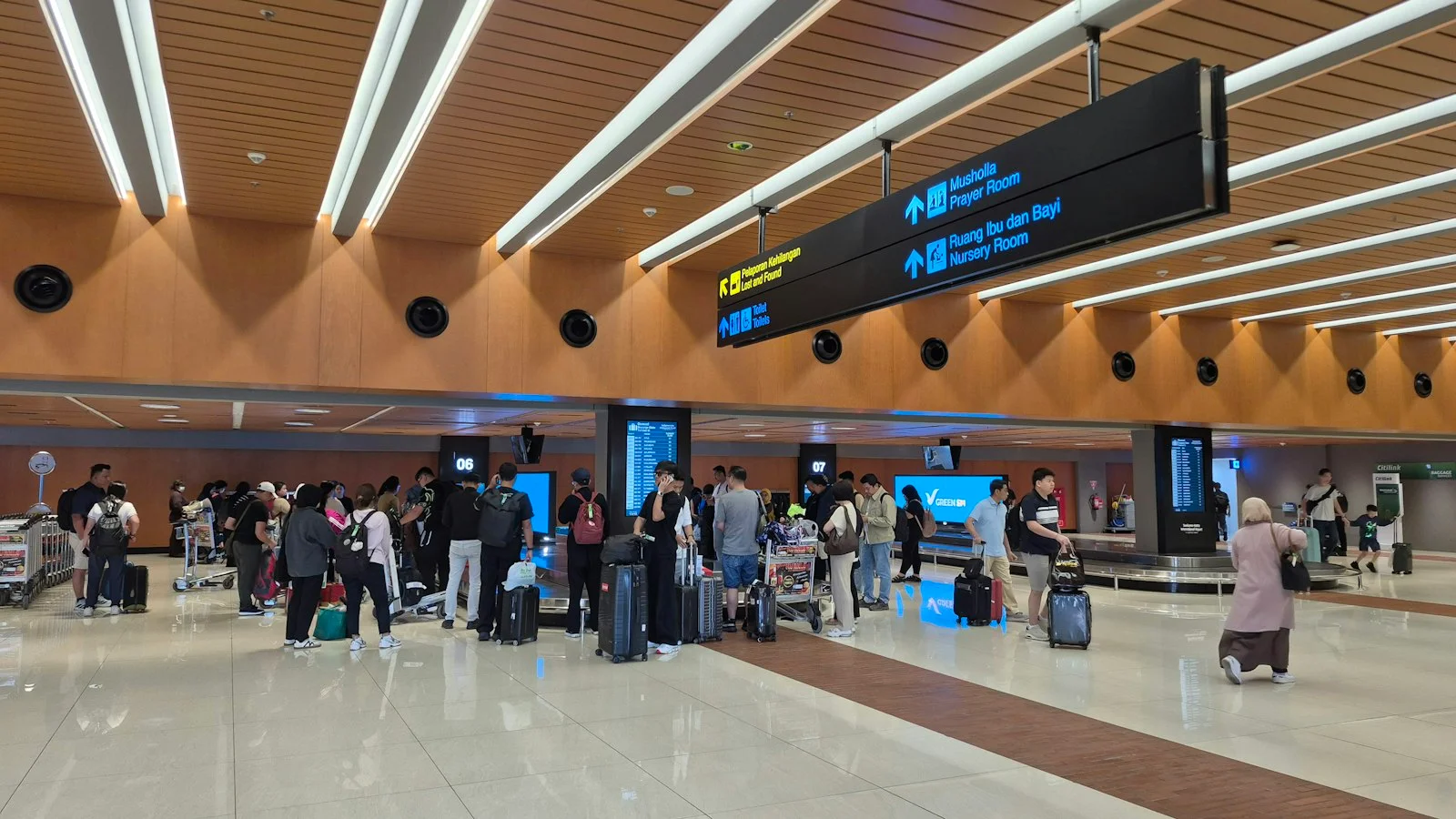
Airport customer service is one of the most common entry points into aviation, and one of the most underrated. Check-in, boarding and arrivals agents keep the whole operation moving. Close a flight late and the aircraft misses its slot. Get a passport or visa check wrong and a passenger can be refused entry on the other side of the world, with the airline paying for the mistake.
Airlines and ground handlers hire customer service agents constantly, and many successful applicants come straight from hospitality, retail and call centres. This guide covers the different customer service roles at an airport, what recruiters look for, how the assessment process usually works, and how to write a resume that gets you to interview, with or without airport experience.
The Roles Under the Customer Service Banner
"Airport customer service" covers several jobs, and most agents end up rotating through a few of them:
- Check-in agent: checking travel documents, tagging bags, collecting excess baggage fees and answering every question a passenger has before security.
- Gate or boarding agent: managing the boarding process, seat changes, standby and upgrades, and closing the flight on time.
- Arrivals and baggage services: meeting flights, helping transfer passengers and lodging delayed or damaged baggage reports.
- Special services: looking after passengers who need wheelchairs or extra help, unaccompanied minors and medical cases.
- Lounge agent: front desk and hospitality in airline and contract lounges.
- Customer service supervisor or duty manager: running the shift, making the call on disruption and handling the escalations nobody else can.
If the job ad focuses on one area, lead with the experience that matches it.
Airline or Ground Handler?
Some airlines employ their own airport customer service staff at major ports. Many others, including most international carriers, contract the work to ground handlers such as Swissport, Menzies and dnata. Working for a handler often means serving several airlines, each with its own procedures, systems and uniform standards, so adaptability and a willingness to learn quickly are worth highlighting. Working directly for an airline usually means deeper product knowledge of one carrier. Check who you'd actually be working for and mention that airline or company by name in your cover letter.
What Recruiters Want From Customer Service Agents
- Calm, friendly service under pressure: especially during delays, cancellations and full flights.
- Accuracy: checking travel documents, bag weights and bookings correctly, every time.
- Reliability on a rotating roster: early mornings, nights, weekends and public holidays.
- Eligibility: the ability to hold an ASIC and pass police and background checks.
- Systems confidence: comfort learning booking and departure control systems quickly.
- Presentation: you're the face of the airline, so grooming and uniform standards apply.
What a Shift Actually Looks Like
A morning shift might start at 4 am with counters opening for the first wave of departures. You'll check in a few hundred passengers, deal with an overweight bag, a name that doesn't match the passport and a family who arrived after check-in closed. Then you'll head to a gate to board a full flight, find space for oversized cabin bags, sort out a seat swap and close the flight to the minute. If weather hits another port, you might spend the afternoon rebooking passengers on later services. Recruiters want to see that you understand this pace and can stay friendly and precise through all of it.
Format Basics
One page is usually right, two at most. Use A4, a PDF and a simple layout that online application systems can read. Our guide to ATS-friendly aviation resumes explains why that matters. Put eligibility and clearances near the top, and lead with your strongest customer-facing experience.
What to Include
Professional Summary
Experienced agent: "Passenger Service Agent with three years' experience delivering check-in, boarding and arrivals services for domestic and international airlines at Melbourne Airport. Confident using departure control systems, checking travel documents and handling disruption calmly."
No airport experience: "Friendly, reliable customer service professional with two years in hospitality and retail, used to serving large numbers of customers quickly and accurately and handling complaints calmly. Available for a rotating roster and able to complete police and ASIC background checks."
Supervisor or duty manager: "Customer Service Duty Manager with eight years in airport operations, leading teams of up to 25 agents across check-in, gates and arrivals. Experienced in managing disruption, on-time performance and airline audits."
Clearances and Certificates
- ASIC: current, or eligible (see our ASIC guide).
- National Police Check.
- Any additional clearances you already hold for international terminal work.
- First aid and dangerous goods awareness.
- Driver licence and own transport. This matters for early shifts when public transport isn't running.
- Certificate III in Aviation (Ground Operations and Service), if you have it.
Systems
Departure control and booking systems such as Amadeus Altéa, Sabre or Navitaire, boarding gate readers and kiosks, Timatic for checking passport and visa requirements, and WorldTracer for baggage tracing. If you haven't used airline systems, list hotel, point-of-sale or CRM systems you have used. It shows you learn new software quickly.
Experience Bullet Points
- Check in up to 200 passengers per shift, verifying passports, visas and travel documents.
- Run boarding gates, manage standby and upgrades, and close flights on time against departure targets.
- Look after passengers needing special assistance, unaccompanied minors and wheelchair transfers.
- Re-book and assist passengers during delays, cancellations and diversions.
- Accept or refuse dangerous goods and restricted items at check-in in line with airline procedures.
From hospitality or retail:
- Check in and out up to 150 hotel guests per shift, handling payments and bookings accurately.
- Resolve complaints and booking problems quickly for tired or frustrated travellers.
- Work a rotating roster including early mornings, nights, weekends and public holidays.
For supervisors and duty managers:
- Lead shifts of up to 25 agents, allocating counters and gates against the flight schedule.
- Coordinate with ramp, load control and flight crew to recover delays and protect on-time performance.
- Manage irregular operations, including rebooking, accommodation and passenger communication.
Languages
Second languages are a real advantage at international terminals. List each with an honest level, for example "Mandarin (fluent)" or "Japanese (conversational)".
Show How You Handle Disruption
Almost every applicant says they're good with people. The ones who get interviews prove it. Pick one real example of a difficult customer situation and turn it into a line on your resume and a story for interview. For example: "During a two-hour system outage, kept a queue of 80 guests informed, prioritised urgent check-outs and processed payments manually with no errors." That tells a recruiter more than any list of soft skills.
How the Assessment Process Works
Larger employers often use an online application with screening questions, then a group assessment session. That can include an information session about the job, group activities, role plays with an upset passenger, and a short individual interview. Some include a basic computer, typing or numeracy test. After that come reference checks, police and ASIC checks, and paid training on systems and procedures before you work on your own.
For role plays, the panel isn't looking for a perfect script. They want to see you listen, stay calm, explain what you can and can't do, and offer a practical next step. Practise saying "I can't do that, but here's what I can do" out loud before you go.
Presentation and Grooming Standards
Most airlines and handlers have uniform and grooming standards for customer-facing staff, covering things like hair, visible tattoos, jewellery and footwear. Standards vary between companies and have relaxed in recent years, so read the ad and the company's careers page rather than guessing. For the application itself, use a professional email address, and if you attend an assessment day, dress as if you were already in uniform: neat, tidy and comfortable enough to stand for a few hours. First impressions are part of the assessment.
Pay and Progression
Base pay and any shift penalties depend on the enterprise agreement or award that applies to the employer and role. The bigger opportunity is what the role leads to. Agents who build a strong track record can move into senior agent, trainer, supervisor and duty manager roles, or across into load control, operations, cabin crew or airport management. Our aviation jobs salary guide has more on pay across these roles.
Common Interview Questions
Airport customer service interviews are mostly behavioural. Prepare a short, specific story for each of these, using the STAR format (Situation, Task, Action, Result):
- "Tell us about a time you dealt with an angry customer." They're testing whether you stay calm, listen and find a solution without promising something you can't deliver.
- "Describe a time you had to follow a rule a customer didn't like." Think excess baggage fees or a closed check-in. They want to see you hold the line politely and explain the reason.
- "Tell us about a time you made a mistake at work." Document and booking errors have real consequences. Show that you owned it, fixed it and changed how you work.
- "How do you handle working under time pressure?" Boarding a full flight to an on-time departure is a daily deadline. Give an example of staying accurate while moving fast.
- "Why do you want to work at the airport?" Be genuine. A love of travel is fine, but connect it to the job: helping people at a stressful point in their day and being part of an operation.
Expect questions about your availability and transport too. Have an honest answer ready for how you'll get to a 4 am start.
Getting Your Foot in the Door
Hiring often ramps up ahead of busy periods like school holidays and Christmas, and when a handler wins a new airline contract. Casual pools are a common way in, and regional airports can be less competitive than the capital-city hubs. If you're already working at the airport in another role, such as retail, hospitality or security, say so. You already know the environment, you may already hold an ASIC, and recruiters notice that.
Cover Letter Tips
Keep it to half a page to a page. Name the airport and the airline or company, explain why you want to work at the airport, give one specific example of great service under pressure, and confirm your availability for a rotating roster. Our aviation cover letter guide walks through the structure.
Keywords to Include
Customer service, passenger service, check-in, boarding, arrivals, departure control system, Amadeus, Sabre, Navitaire, Timatic, travel documents, special assistance, disruption, on-time performance, ASIC, rotating roster.
Mistakes to Avoid
- Leaving out roster availability. Airports run from before dawn to after midnight.
- Generic "people person" claims. Give numbers and real situations instead.
- Forgetting accuracy. Document checks matter. Show you're careful as well as friendly.
- A casual email address or photo. Presentation counts in this job, starting with your application.
Prefer to start from a template? Our airport customer service resume templates include versions for experienced agents, first-time applicants from hospitality or retail, and duty managers.
Frequently Asked Questions
Do I need airline experience to become a check-in agent?
No. Most new agents come from hospitality, retail or call centres. Employers train you on their systems.
What's the difference between working for an airline and a ground handler?
Ground handlers provide check-in and boarding services for several airlines under contract, so you may work across different carriers and systems. Airline-employed agents work for one carrier.
Are most jobs casual or permanent?
Both. Many agents start casual or part-time with a set minimum of hours, then move to permanent roles. Check the applicable agreement or award for any early, late, weekend or public holiday penalties.
Is airport customer service a pathway to other aviation jobs?
Often, yes. Many cabin crew, operations and airport staff started at the check-in counter. If cabin crew is your goal, read our cabin crew resume guide. If you're drawn to the operational side, see our airline operations resume guide.
Ready to Apply?
Browse airport customer service jobs on Aviation Careers and set up an alert for your local airport. For a ready-made structure, see our customer service resume and cover letter templates.
Further Reading
→ How to Write a Cabin Crew Resume in Australia
→ Ground Crew and Ramp Agent Resume Guide
→ How to Get an ASIC Card in Australia
→ Aviation Jobs Salary Guide 2026
→ How to Write an Aviation Cover Letter That Actually Gets Read
Last updated: November 2026
Related posts

How aviation employers may use applicant tracking systems, and how to make your resume easier for both software and recruiters to read.

How to write an aviation safety and compliance resume in Australia, including moving across from pilot, engineering or cabin crew roles.

How to write a resume and cover letter for Aviation Rescue Fire Fighting recruit intakes, transfers and Station Officer roles in Australia.