
Updated by
Duke is the founder of Aviation Careers. He's Primarily an Airline Pilot in Australia with experience in Charter and Aeromedical operations. He is passionate about improving accessibility for younger generations in aviation and increasing safety throughout the industry.
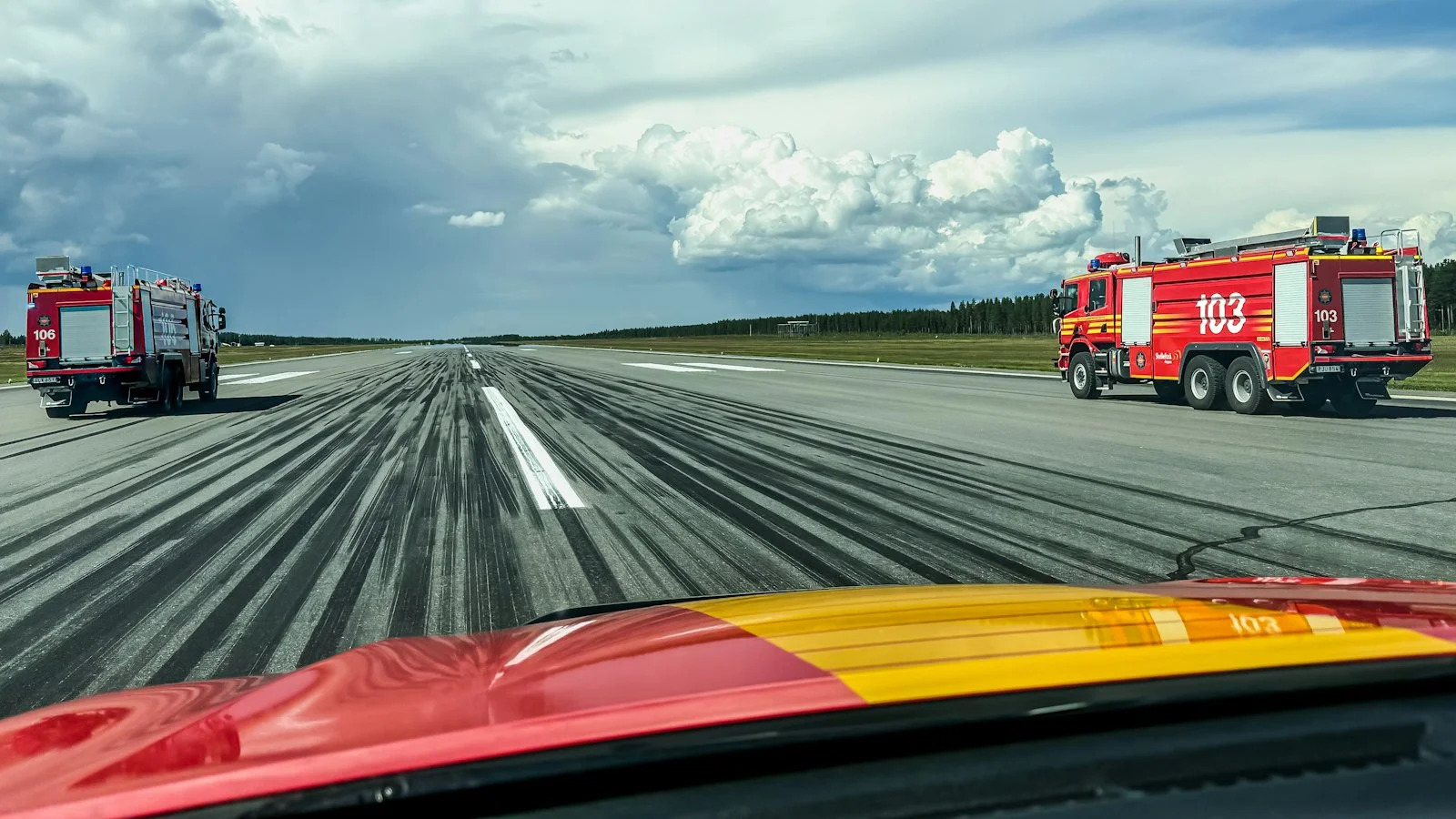
Airservices Australia doesn't recruit Aviation Rescue Fire Fighters every week. Recruit rounds open for a few weeks at a time, hundreds of people apply, and only a small number make it onto a recruit course. When the window opens, your application needs to be ready to go.
The Physical Aptitude Test, assessment centre and interview will ultimately decide the outcome. But your resume, cover letter and application answers decide whether you get the chance to sit them. This guide covers how ARFF recruitment works, what to put in your application, example resume lines for different backgrounds, and the mistakes that knock good candidates out early. It applies whether you're applying as a recruit with no firefighting background, transferring as a qualified firefighter, or stepping up to Station Officer.
If you're new to ARFF, start with our overview of Aviation Rescue Fire Fighting in Australia, which covers the role, the stations and what a shift looks like.
The Job in Short
Airservices' Aviation Rescue Fire Fighters work out of 28 airports around Australia, ready 24/7 for aircraft incidents, fires, medical emergencies and other airport events. Day to day, the job also includes vehicle and equipment checks, training drills, fire safety inspections, first aid callouts and keeping the station ready. Major aircraft emergencies are rare, so recruiters look for people who will stay sharp, disciplined and fit through long stretches of routine.
Recruits are paid while they train. The recruit course is run at Airservices' training academy in Melbourne, with accommodation provided, and the length varies by campaign. The Western Sydney 2027 campaign advertised an initial 15-week Melbourne course. Graduates receive a nationally recognised Certificate II in Public Safety (Firefighting and Emergency Operations).
How ARFF Recruitment Works
Knowing the stages helps you understand what your resume actually needs to do. The process generally runs like this:
- Online application. Your resume, cover letter and a set of application questions. These are used for shortlisting.
- Online testing. Ability testing is sent out once applications close. If you apply to several locations, your earliest results are used across all of them.
- Physical Aptitude Test (PAT). A series of tasks that simulate fireground work, testing fitness, strength, endurance, balance and coordination. Every stage has to be passed. The PAT standard was updated in May 2025, so train to the current version, not an old YouTube video.
- Assessment centre and panel interview. Group activities and behavioural interview questions about teamwork, pressure, communication and why you want the role.
- Reference checks, medical and security clearances. Including an aviation-style medical with colour vision testing, drug and alcohol screening, and the checks needed to work airside.
- Talent pool and offer. Successful candidates are offered a place on a recruit course and a home station when positions come up.
Your resume does its heavy lifting at stage one, but it doesn't stop there. Interview panels often work from your application, so anything you claim should be something you can talk about with a real example.
Eligibility Checklist
Before you write a word, make sure you meet the minimum requirements. Based on recent Airservices recruit advertisements, you'll need to:
- Be 18 or older.
- Be an Australian or New Zealand citizen, or an Australian permanent resident. Airservices’ general guidance requires Australian citizenship for Darwin applicants.
- Hold a Year 10 or Year 12 certificate plus at least two years of full-time-equivalent experience, or hold a bachelor’s or master’s degree. Check the campaign for the types of experience accepted.
- Hold a current, unrestricted full manual driver licence.
- Be able to get a Heavy Rigid licence at least four weeks before commencement, unless the campaign specifies another deadline.
- Check the campaign’s deadline for a current first aid certificate (HLTAID011 Provide First Aid or HLTAID014 Provide Advanced First Aid). Airservices’ general guidance asks for it at the assessment centre, while some campaign ads specify before training.
- Pass the online testing, the PAT, and the medical and pre-employment checks.
Stations with water rescue equipment may also require a water competency. Requirements do change between rounds, so always check the current ad and the eligibility questionnaire on the Airservices careers site.
What ARFF Recruiters Look For
- Practical, hands-on ability: trades, mechanical work, machinery, tools and vehicles.
- Fitness and the discipline to maintain it: not just passing the PAT, but staying fit for duty for a whole career.
- Teamwork and composure: living and working closely with a crew, and staying calm when things go wrong.
- Emergency and community experience: volunteer firefighting, SES, surf lifesaving, first aid, Defence or emergency services.
- Customer and communication skills: you'll deal with passengers, airport staff and other agencies.
- Commitment: a genuine understanding of shift work, a 24/7 roster and the likelihood of relocating.
Building the Recruit Resume
Keep it to two pages, in a clean, simple layout. Recruiters are screening a lot of applications, and our guide on ATS-friendly aviation resumes explains why fancy columns and graphics can work against you.
Professional Summary
Three or four lines that tell the reader exactly who you are and why you fit. For example:
"Physically fit, community-minded applicant for the Aviation Rescue Fire Fighter recruit course. Brings four years of practical experience as a licensed electrician, three years of volunteer firefighting with the RFS, a current unrestricted driver licence and current first aid. Ready to obtain a Heavy Rigid licence, work a 24/7 roster and relocate to any station."
Licences and Eligibility
Put this near the top, in a short list, so the recruiter can tick their boxes in seconds. Include your driver licence class, Heavy Rigid status (held, booked, or able to obtain), first aid certificate and expiry, any water competency such as a Bronze Medallion, and your citizenship or residency. If you hold an ASIC, a White Card, a forklift licence or a chainsaw ticket, list those too.
Experience
You don't need firefighting experience. What matters is showing the overlap between what you've done and what the job needs. Here's how that looks for a few common backgrounds.
Trades and practical work (electricians, mechanics, plumbers, carpenters, labourers):
- Worked safely at heights and in confined spaces, following permit-to-work and isolation procedures.
- Maintained and fault-found vehicles, pumps and small engines to manufacturer standards.
- Completed pre-start checks on plant and equipment and reported defects before use.
Hospitality, retail and customer-facing work:
- Stayed calm and in charge of busy, high-pressure services, managing upset customers and incidents.
- Acted as first aid officer on shift, responding to injuries and completing incident reports.
- Trained new staff and worked as part of a tight team on rotating rosters, including nights and weekends.
Defence and emergency services:
- Operated as part of a section under a structured chain of command in demanding field conditions.
- Maintained vehicles, equipment and readiness to strict inspection standards.
- Completed courses in first aid, hazardous materials awareness and team leadership.
Use real numbers where you can: team size, years, hours volunteered, incidents attended. "Responded to 40+ incidents" says a lot more than "attended incidents".
Volunteering and Emergency Experience
Give this its own section, not a single line at the bottom. RFS, CFA, CFS, SES, surf lifesaving, St John and similar roles show commitment and real-world emergency exposure:
- Responded to bushfires, storms and road crash rescues as a volunteer firefighter with the RFS.
- Completed Basic Firefighter, breathing apparatus and chainsaw operator training.
- Supported community preparedness and fire safety education days.
Fitness
One or two lines on how you train, such as running, swimming, gym work or team sport, signal that you take the physical side seriously. Don't overdo it. A short, honest line beats a paragraph about your personal bests.
Qualified Firefighters and Station Officers
Airservices also recruits experienced firefighters, and has run a shorter direct entry recruit course for people who are already qualified. If that's you, lead with your qualifications instead of your general experience: your Public Safety qualifications, breathing apparatus, Heavy Rigid licence, pump operations, hazmat and advanced first aid. Then show the incidents and environments you've worked in, and any instructing or assessing you've done.
For Station Officer and leadership roles, focus on incident command, crew supervision, training and assessment, station readiness and compliance, rostering, and multi-agency emergency exercises. Show outcomes: crews trained, exercises run, audit results improved.
The Cover Letter Matters Here
ARFF recruiters want to understand why you want this job, not just firefighting in general. A strong cover letter does three things:
- Explains why aviation firefighting specifically. Airports, aircraft, the specialist vehicles, the mix of emergency response and readiness.
- Shows you understand the trade-offs. The 24/7 roster, the training course in Melbourne, and being posted where you're needed.
- Connects your experience to the role, with one or two short, specific examples.
For example: "During the 2024 fire season I was part of an RFS crew protecting properties on the outskirts of town. Working long shifts with the same crew, under pressure and with clear communication, is exactly the environment I want to build a career in, and ARFF's focus on readiness and specialist equipment is what draws me to aviation firefighting over other services."
Our aviation cover letter guide walks through the full structure.
Don't Rush the Application Questions
Airservices asks a set of questions as part of the application, and these are used in shortlisting. Treat each one like a short interview answer. Use the STAR format (Situation, Task, Action, Result), keep it specific, and make sure the example actually answers the question asked. Draft your answers in a document first, check the spelling, then paste them in. Make sure your email address is right too. Recruitment updates and testing links come by email.
Common Mistakes
- A generic firefighting application. The same letter you sent to a state fire service, with "aviation" pasted in.
- Burying your licences. If a recruiter can't see your licence and first aid status quickly, you're making their job harder.
- Listing duties instead of results. "Responsible for maintenance" tells them nothing. "Maintained a fleet of 12 vehicles with zero failed inspections" does.
- Ignoring the roster and relocation. If your application suggests you only want one city, expect questions.
- Leaving fitness until you're invited to the PAT. Start training as soon as you decide to apply.
- Inflating experience. The panel will ask you about it, and it will show.
Keywords to Include
Aviation Rescue Fire Fighting, ARFF, Physical Aptitude Test, Heavy Rigid licence, breathing apparatus, first aid, HLTAID011, emergency response, teamwork, shift work, 24/7 roster, volunteer firefighter, RFS, CFA, SES, surf lifesaving, Certificate II in Public Safety.
Prefer to start from a template? Our ARFF resume templates include a recruit applicant version, a qualified firefighter version and a Station Officer version, with matching cover letters.
Frequently Asked Questions
Do I need firefighting experience to apply?
No. Airservices recruits people from many backgrounds and trains them on the recruit course. Practical, physical and emergency experience all strengthen your application.
Do I need a Heavy Rigid licence to apply?
No, but you'll need to get one before the recruit course starts. If you're serious, look into lessons early so it doesn't hold you up.
How long is the recruit course?
You're paid during training and accommodation is provided in Melbourne. The Western Sydney 2027 intake advertised 15 weeks of initial training in Melbourne, but course duration and structure can vary. Check the ad for your round.
How much do ARFF recruits earn?
The current Airservices ARFF enterprise agreement lists annual base salaries of A$54,273 for a Recruit and A$76,008 for an Aviation Fire Fighter Level 1 (AFF1), from the first full pay period on or after 21 February 2026. These are base rates, before superannuation, applicable allowances or penalties. Our aviation jobs salary guide has more detail.
Will I have to relocate?
Possibly. ARFF stations are located at airports around Australia, and recruits are often posted where they're needed. Regional stations can be a great way in.
Can I reapply if I'm unsuccessful?
Yes. Use the time to work on whatever let you down, whether that's fitness, licences, volunteering or interview practice, and apply again in the next round. Airservices recommends attempting no more than two PATs in a three-month period, so allow time to train between attempts.
When is the next intake?
Airservices has said its 2026 recruit courses are full, with the next course scheduled for early 2027, and it has been taking expressions of interest for 2027 locations. Dates can change, so keep an eye on the careers page.
Ready to Apply?
Watch for ARFF recruit rounds on the Airservices ARFF careers page, and browse aviation firefighting jobs on Aviation Careers. Get your licences sorted, start training for the PAT, and have your resume and cover letter ready before the window opens. Our ARFF resume and cover letter templates can give you a head start.
Further Reading
→ Aviation Rescue Fire Fighting in Australia: Roles, Qualifications & How to Get Hired
→ How to Write an Aviation Cover Letter That Actually Gets Read
→ Is Your Aviation Resume ATS-Friendly?
→ How to Get an ASIC Card in Australia
→ Aviation Jobs Salary Guide 2026
Recruitment criteria, salaries and course dates change between rounds. Always check current information with Airservices Australia before applying.
Last updated: November 2026
Related posts

How aviation employers may use applicant tracking systems, and how to make your resume easier for both software and recruiters to read.
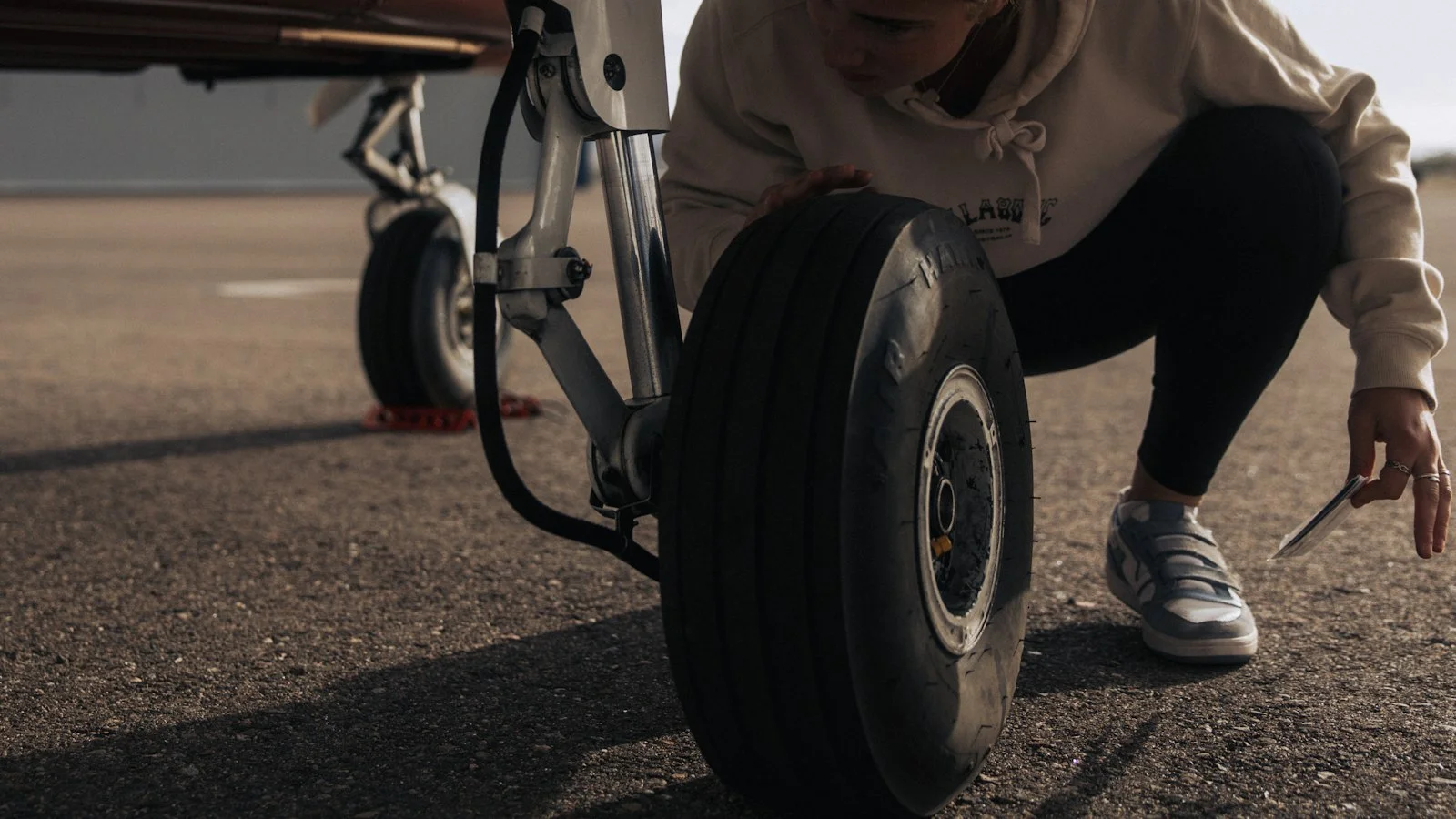
How to write an aviation safety and compliance resume in Australia, including moving across from pilot, engineering or cabin crew roles.
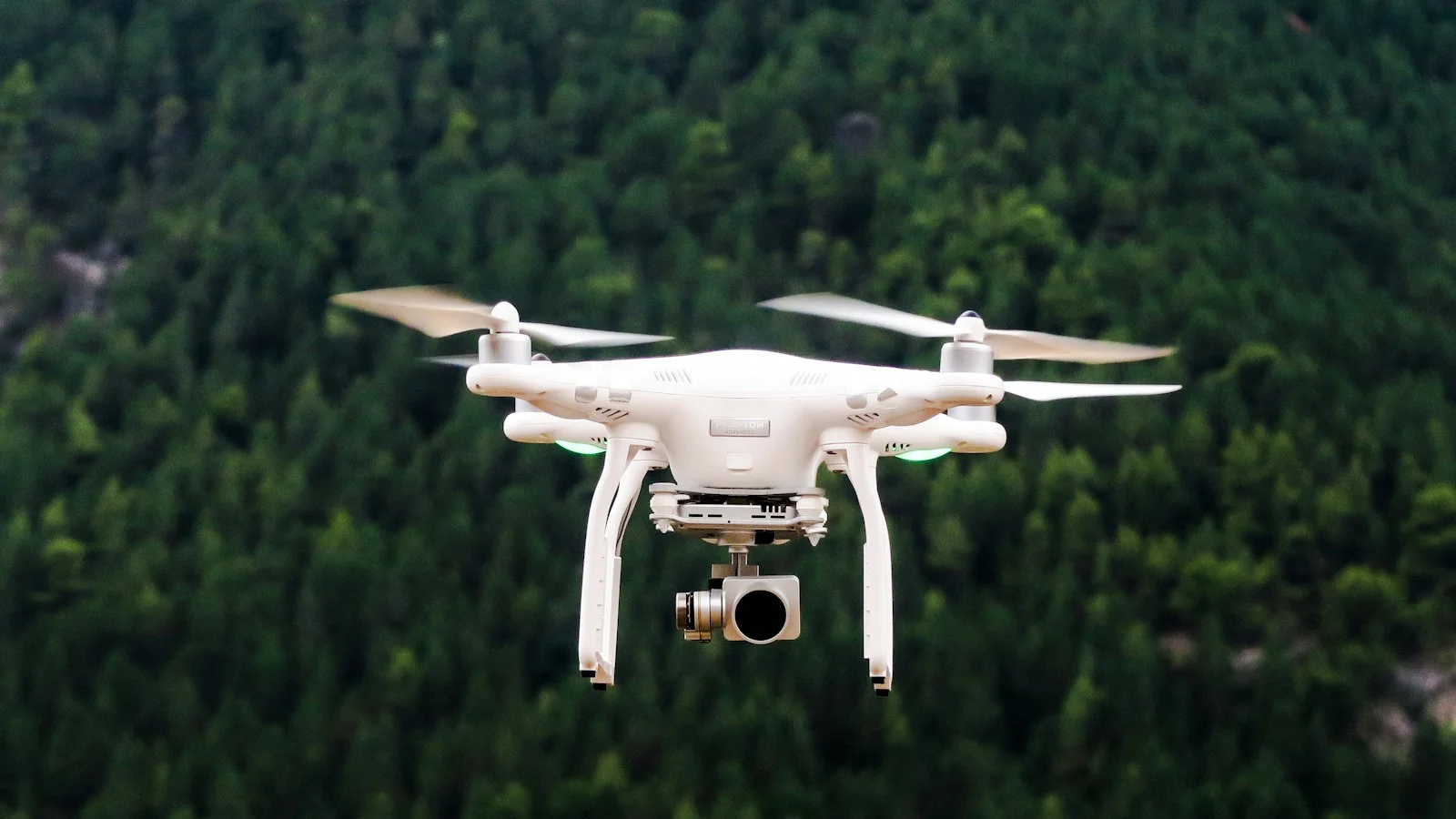
How to write a drone pilot resume in Australia, from new RePL holders to Chief Remote Pilots, with flight hours, platforms and examples.