Updated by
Duke is the founder of Aviation Careers. He's Primarily an Airline Pilot in Australia with experience in Charter and Aeromedical operations. He is passionate about improving accessibility for younger generations in aviation and increasing safety throughout the industry.
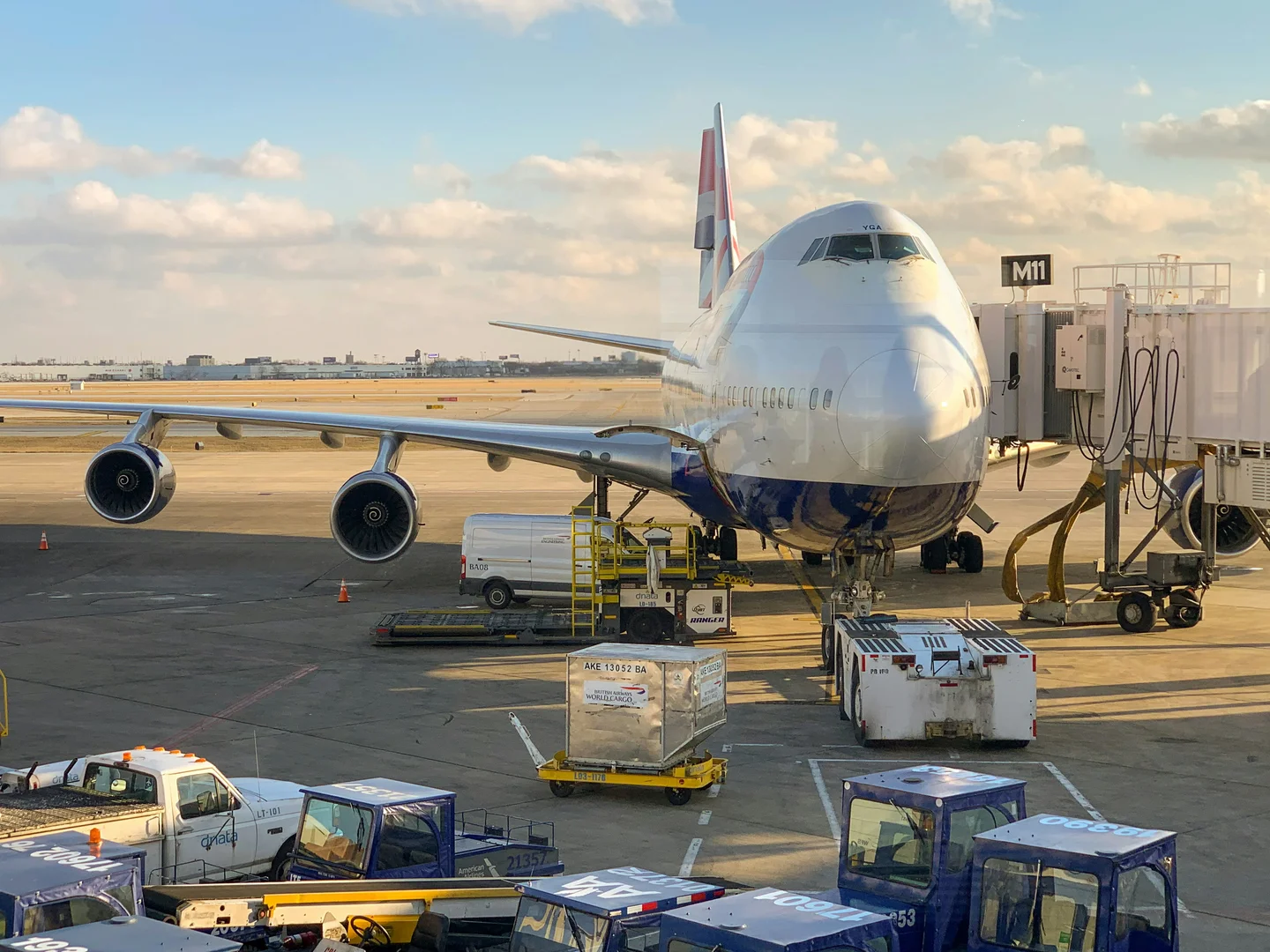
Thinking about a career in aviation? Whether you're dreaming of flying jets across continents, maintaining cutting-edge aircraft, or managing airport operations, understanding the earning potential is crucial. Australia's aviation industry is experiencing strong growth with a global pilot shortage creating unprecedented opportunities, and competitive salaries reflect this demand.
This comprehensive salary guide breaks down what you can realistically earn across major aviation roles in 2026, from entry-level positions to senior command roles.
Pilots: From First Officers to Captains
The cockpit remains one of aviation's most lucrative career paths, with salaries varying significantly based on airline, aircraft type, and experience.
Commercial Airline Pilots
Major Airlines (Qantas, Virgin Australia)
For Australia's flagship carriers, pilot compensation is at the top of the industry. At Qantas, first officers start around $168,000 annually, with experienced first officers earning between $200,000 and $250,000. Senior captains, particularly those flying international widebody aircraft like the A380, can exceed $400,000 per year.
Virgin Australia offers similarly competitive packages. From mid-2025, first officers earn a base salary of $180,206 annually, while captains receive $277,256 base pay. These figures don't include allowances for meals, accommodation during layovers, and additional duty premiums that can add significantly to total compensation.
Regional and Charter Operations
Regional airlines typically offer lower starting salaries but provide valuable flight hours and experience. Entry-level pilots can expect $70,000 to $110,000 annually, while experienced regional captains with 5+ years earn between $120,000 and $160,000.
Private jet pilots in Australia's growing charter sector earn between $70,000 and $100,000 at entry level, with senior captains on large private jets commanding $120,000 to $200,000+ depending on aircraft type and client base.
Career Progression
The pilot career path typically follows this trajectory:
General Aviation Pilots: $60,000 - $90,000
Entry-level First Officer: $90,000 - $110,000
Experienced First Officer: $120,000 - $250,000
Captain (regional): $120,000 - $160,000
Captain (major airline): $200,000 - $400,000+
With the projected pilot shortage expected to peak in 2026 with a global shortfall of 24,000 pilots, career prospects and salary growth remain exceptionally strong.
Aircraft Maintenance Engineers: The Technical Backbone
Aircraft maintenance engineers ensure every plane is airworthy and safe. This critical role commands solid compensation reflecting the specialized skills and certifications required.
Salary Ranges by Experience
Entry-Level Engineers (1-3 years) Starting salaries for newly qualified AMEs range from $70,000 to $82,000 annually. These positions typically involve working under supervision while building experience across different aircraft types.
Mid-Career Engineers (5-9 years) With experience and additional certifications, salaries increase to $90,000 - $100,000. Engineers at this level often specialize in specific systems or aircraft models.
Licensed Aircraft Maintenance Engineers (LAME) Holding a LAME license significantly boosts earning potential. Licensed engineers average $154,000 annually, with the typical range between $113,750 and $169,250. Top-tier LAMEs can earn up to $184,000.
Senior Engineers and Specialists Senior maintenance engineers and those in leadership positions earn $119,000 to $150,000+, particularly in major metropolitan areas like Sydney and Melbourne where aviation operations are concentrated.
Location matters too. Sydney-based AMEs report average salaries around $106,000, while Melbourne positions average $96,000, reflecting cost-of-living adjustments and demand variations.
Cabin Crew: The Customer Experience Experts
Flight attendants are the face of airlines, responsible for passenger safety and service. While starting salaries are more modest, experienced cabin crew can build rewarding careers.
Major Airline Cabin Crew
Qantas Cabin Crew Qantas offers annual salaries between $45,000 and $90,000, depending on seniority, routes flown, and hours worked. Entry-level crew start at the lower end, while senior pursers and cabin managers earn at the top of this range.
Virgin Australia Cabin Crew Virgin Australia cabin crew earn between $55,000 and $90,000 annually. Monthly allowances for flying hours, layovers, and per diems typically add around $1,000 per month to base salaries.
Industry Averages Across all Australian airlines, cabin crew compensation averages:
Entry-level: $47,000 - $56,000
Experienced crew: $60,000 - $78,600
Senior pursers/managers: $72,000 - $90,000
The Aircraft Cabin Crew Award sets minimum rates, with cabin crew members earning a base hourly rate of $27.57, cabin supervisors $32.17, and cabin managers on widebody aircraft $37.57 as of October 2025.
Private Jet Cabin Crew
The private aviation sector offers different compensation structures. Entry-level private jet cabin crew earn $45,000 to $60,000, while senior crew can make $72,000 to $120,000 annually. Freelance crew working contract-by-contract can earn up to $500 per day plus generous per diems ($75-$150 nightly) and accommodation in premium hotels.
Airport and Ground Operations: Behind-the-Scenes Professionals
Aviation doesn't just happen in the air. Ground operations, management, and support roles are essential to keeping the industry moving.
Ground Staff and Operations
Airport Ground Crew Ground crew handling baggage, aircraft servicing, and ramp operations earn approximately $65,000 annually as full-time employees. Entry-level positions start around $48,000, while experienced ground staff can reach $92,000.
Operations Supervisors and Managers Airport managers and senior operations staff command significantly higher salaries, averaging $104,000 annually. These roles require extensive experience and often involve coordinating multiple teams and ensuring regulatory compliance.
Air Traffic Controllers: The Safety Guardians
Air traffic controllers manage one of aviation's most critical and high-pressure roles. The compensation reflects this responsibility.
Salary Progression
Trainees: $49,750 - $55,000 during training
Qualified Controllers: $132,000 - $192,000
Senior Controllers: $192,000 - $246,000
Top-tier Controllers: Up to $372,000 (90th percentile)
Air traffic controllers with Airservices Australia work rotating shifts covering 24/7 operations, with comprehensive fatigue management systems and extensive benefits. Melbourne and Brisbane-based controllers often earn at the higher end of these ranges, with Melbourne controllers averaging around $230,000.
Beyond Base Salary: Total Compensation Packages
Aviation careers offer much more than just base pay. Consider these additional benefits:
Common Industry Benefits
Travel perks: Heavily discounted or free flights for employees and family members
Allowances: Meal allowances, overnight per diems, and duty premiums
Shift loading: Additional pay for night shifts, weekends, and public holidays
Insurance: Comprehensive health, life, and income protection coverage
Leave entitlements: Generous annual leave, often 5-6 weeks plus industry-standard sick leave
Career development: Ongoing training, type ratings, and certification programs
Retirement benefits: Competitive superannuation contributions
For pilots and cabin crew, per diems during layovers can add $12,000-$24,000+ annually to base salaries. Aircraft engineers often receive tool allowances and professional development funding.
Industry Outlook: Why Now Is an Excellent Time
Australia's aviation sector is experiencing robust growth driven by several factors:
Pilot shortage: With forecasts predicting a need for over 300,000 new pilots globally in the next decade, airlines are offering premium salaries and sign-on bonuses to attract talent.
Fleet modernization: Airlines are investing in new aircraft, creating demand for engineers qualified on modern systems.
Post-pandemic recovery: Passenger numbers continue rebounding, driving employment across all aviation sectors.
Regional connectivity: Australia's vast geography ensures ongoing demand for regional aviation services.
Starting Your Aviation Career
Different roles require different pathways:
Pilots need commercial pilot licenses (CPL) plus instrument ratings, requiring significant training investment but with excellent return potential given salary trajectories.
Aircraft Engineers complete apprenticeships and obtain CASA licenses, with clear progression pathways and strong job security.
Cabin Crew typically need customer service experience and complete airline-specific training, with lower entry barriers but solid career progression opportunities.
Ground Operations roles often require aviation-specific certificates like the Certificate III in Aviation (Ground Operations and Service).
Air Traffic Controllers undergo intensive selection and training through Airservices Australia, with trainees paid during their qualification period.
Location Matters
Salaries vary by location, with Sydney and Melbourne typically offering higher compensation reflecting cost of living:
Sydney: Generally 5-10% above national averages
Melbourne: Comparable to Sydney for most roles
Brisbane/Perth: Near national averages, with growing opportunities
Regional locations: May offer lower salaries but reduced living costs and lifestyle benefits
Making Your Decision
Aviation careers offer competitive compensation, job security, and unique lifestyle benefits. While entry-level positions require investment in training and time, career progression can lead to six-figure salaries across multiple specializations.
The key is matching your interests and skills to the right pathway. Love technology and problem-solving? Engineering might be your calling. Passionate about service and travel? Cabin crew offers those opportunities. Dream of commanding an aircraft? The pilot shortage means there's never been a better time to start flight training.
Ready to Take Off?
Understanding salary expectations is just the first step. The Australian aviation industry offers diverse, rewarding careers with strong earning potential and exceptional benefits. Whether you're starting fresh or considering a career change, 2026 presents outstanding opportunities across the sector.
Explore More Aviation Career Resources
Aircraft Maintenance Engineer Career Guide: Qualifications, Salary & Jobs in Australia
Latest Aviation Job Openings - Browse current opportunities on aviationcareers.com.au
Salary data compiled from industry sources including SEEK, Glassdoor, PayScale, Fair Work Ombudsman awards, and airline enterprise agreements. Figures represent 2025-2026 market data and may vary based on individual circumstances, experience, and specific employers.
Sources & Additional Reading:
Industry salary surveys and enterprise agreements (2024-2025)