Updated by
Duke is the founder of Aviation Careers. He's Primarily an Airline Pilot in Australia with experience in Charter and Aeromedical operations. He is passionate about improving accessibility for younger generations in aviation and increasing safety throughout the industry.
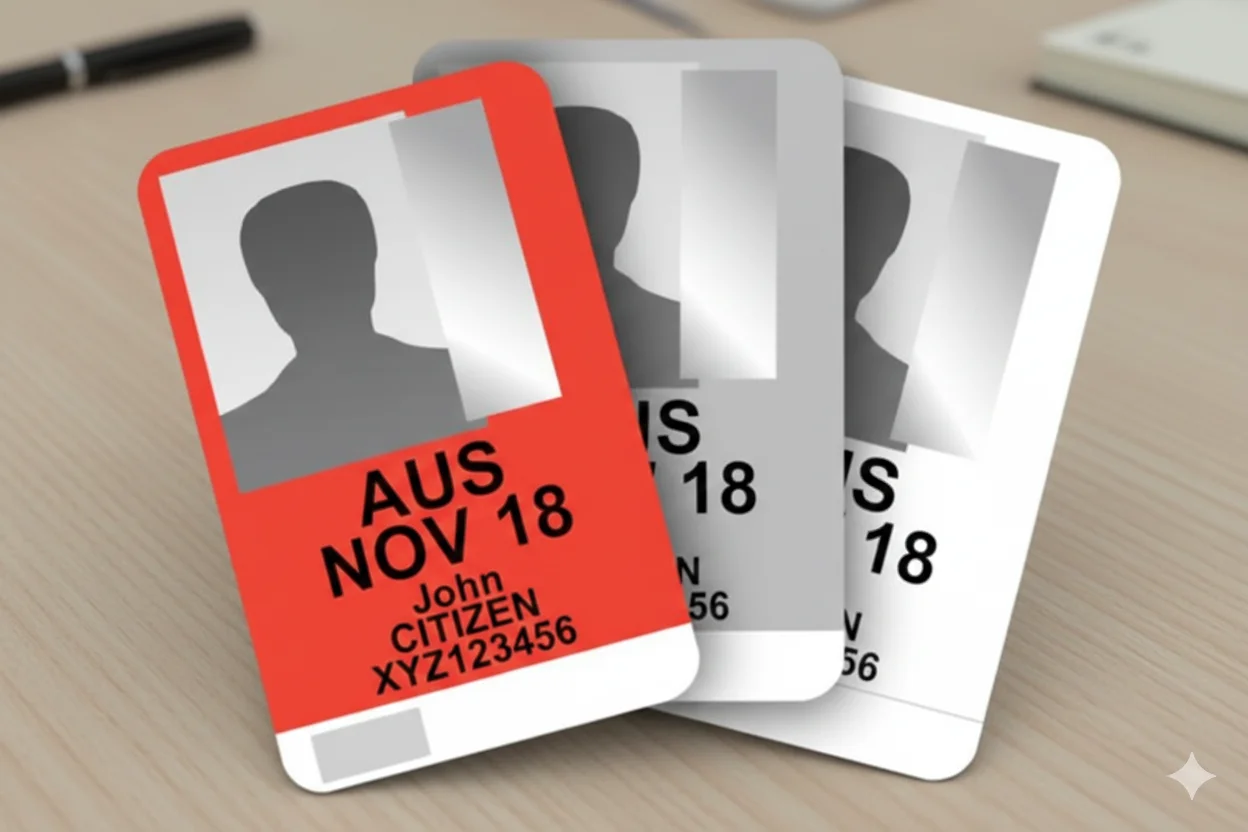
If you're entering the aviation industry in Australia—whether as a pilot, aircraft maintenance engineer, ground crew, or cargo handler—there's one piece of identification you'll almost certainly need before you can set foot in a secure airport environment: an ASIC card.
An Aviation Security Identification Card (ASIC) is not just a lanyard badge. It's proof that you've passed a rigorous government background check, and it's your legal authorisation to access the secure areas of Australia's airports unescorted. Without one, you're not getting airside—no matter how many licences or qualifications you hold.
This guide breaks down everything you need to know about ASIC cards in Australia: the different types available, who needs to hold one, the step-by-step application process, how long it takes, and what it will cost you.
What Is an ASIC Card?
An ASIC is an Aviation Security Identification Card—a physical identification card that confirms the holder has undergone a comprehensive background check and is deemed suitable to access the secure areas of Australian airports.
Think of it as your security passport to the airside world. It doesn't automatically grant you access to every area of an airport—that's controlled by each individual airport operator—but you cannot legally enter or work unescorted in a security-restricted area without displaying a valid ASIC.
ASIC cards are regulated by the Department of Home Affairs under the Aviation Transport Security Act 2004 and the Aviation Transport Security Regulations 2005. The background checking process is administered by AusCheck, which coordinates criminal records checks with the Australian Federal Police, national security assessments through ASIO, and immigration status checks through the Department of Home Affairs.
Important distinction: An ASIC is an identification card, not an access card. Once you have your ASIC, you'll still need to apply separately to each airport for an electronic access card to enter specific zones.
The Three Categories of ASIC
There are three types of ASIC, each designed for a different operational need. The type you require will depend on where you work and what areas you need to access.
Red ASIC
The Red ASIC is the most common card held by aviation workers and the one most people in the industry are referring to when they talk about "getting their ASIC."
Who needs it: Pilots and flight crew operating at security-controlled airports, aircraft maintenance engineers (LAMEs and AMEs), airline staff, airport employees, and contractors who require unescorted access to both the airside security zone and the secure area (landside) of a security-controlled airport.
Where it's used: All security-controlled airports in Australia that operate regular public transport (RPT) services—this includes major international airports like Sydney, Melbourne, Brisbane, Perth, and Adelaide, as well as many regional airports.
Key point: If you're a pilot operating commercially at any RPT airport, you need a Red ASIC. CASA is explicit about this—you must hold a valid ASIC if you're flight crew at a security-controlled airport.
Grey ASIC
The Grey ASIC provides access to the secure area (landside security zones) of a security-controlled airport but not necessarily the airside security zone.
Who needs it: Staff working in landside secure areas at regional airports, such as passenger check-in agents and baggage handlers who do not require direct airside access. Grey ASICs are more commonly issued at regional airports where operational roles are confined to landside security zones.
Key point: If you're based at a major international airport, you'll almost certainly require a Red ASIC rather than a Grey one. Check with your employer or airport operator to confirm which is required for your specific role.
White ASIC
The White ASIC is a role-specific card introduced on 1 November 2016. Unlike the Red and Grey, it cannot be displayed or used to enter secure areas of a security-controlled airport.
Who needs it: Staff and contractors working in security-sensitive roles away from airport secure areas, including:
Known Consignors (KCs) who handle air cargo but don't access airport secure areas
Regulated Air Cargo Agents (RACAs)
Accredited Air Cargo Agents (AACAs)
Authorised ASIC or VIC issuing bodies
Key point: If you're working in the air cargo supply chain and need to meet US cargo security requirements or handle regulated freight, a White ASIC may be required—even if you never set foot in an airport terminal.
Job Ready Card
Strictly speaking, the Job Ready card is not an ASIC. It has no access privileges attached to it whatsoever.
Who needs it: Individuals who are applying for work in the aviation industry and want to have their AusCheck background clearance completed before securing a position, or those who need a background check for enrolment in a Certificate II in Transport Security Protection (Aviation Screening). Some aviation training programs also require a Job Ready card as an enrolment prerequisite.
Key point: A Job Ready card can be upgraded to a full ASIC once you have an operational need confirmed by an employer or flight school. It's a smart move to apply before you've landed a job—having your clearance already in hand can make you a more attractive candidate.
Who Needs to Hold an ASIC?
You have an operational need to hold a Red or Grey ASIC if you require frequent unescorted access to a secure area or airside security zone at a security-controlled airport for the purposes of airport or aircraft operations. In practical terms, this means:
Pilots and co-pilots operating regular air services at security-controlled airports
Cabin crew members working scheduled flights
Licensed Aircraft Maintenance Engineers (LAMEs) and Aircraft Maintenance Engineers (AMEs) working at security-controlled airports
Ground handling staff with airside access
Airline and airport operations staff with secure area access
Contractors and tradespeople regularly working in secure airport zones
Cargo handlers working in regulated freight environments (White ASIC)
Visitors who need temporary access to airside or landside security zones do not need an ASIC—they must be accompanied by a valid ASIC holder and display a Visitor Identification Card (VIC), which is issued by the airport being visited.
Under 18s: Personnel under the age of 18 who require secure area access are required to display an ASIC, but issuing bodies cannot apply for a full security clearance for them. Their ASIC is valid only until six months after their 18th birthday, at which point a full renewal must be completed.
ASIC Card Types by Issuing Scope
Beyond the colour-coded categories above, ASIC cards are also differentiated by the scope of airports they cover:
AUS Card (National): A red or grey card valid at multiple airports across Australia. This is the card most pilots, aircrew, contractors, and mobile workers require. If you work across more than one airport, this is your card.
Regional Card: A red or grey card issued for access at one specific airport only. Suited for staff permanently based at a single regional location.
Major Airport Card: A red or grey single-airport card available only through approved employers at Australia's major international airports. If your employer doesn't have pre-approval, contact the relevant airport or issuing body before applying.
The ASIC Application Process: Step by Step
Applying for an ASIC is straightforward once you understand the process, but there are a few moving parts. Allow yourself plenty of time—especially if you have a start date looming.
Step 1: Confirm Your Operational Need
Before you apply, confirm with your employer, flight school, or airport operator that you have a genuine operational need to hold an ASIC and which type is required. Your employer will typically assist you in this process and may even have a preferred ASIC issuing body they work with.
Step 2: Choose an Authorised ASIC Issuing Body
ASIC cards are not issued directly by the government—they're issued through authorised ASIC Issuing Bodies approved by the Department of Home Affairs. Well-known issuing bodies in Australia include:
Aviation ID Australia – one of Australia's most experienced ASIC issuers, operating since 2005
Airport Security (Security ID) – a national provider with an online application system
AMS Australia – serving Western Australia and Jandakot Airport
A full list of authorised issuing bodies is available on the Department of Home Affairs website.
Step 3: Complete the Online Application
Most issuing bodies offer an online application portal. You'll need to provide:
Your personal details (full name, date of birth, contact information)
Your operational need and employer details (or confirmation of your training enrolment for Job Ready applications)
A colour passport-style digital photograph (head and shoulders, plain background, no glasses, no smiling)
Details of your aviation licence or employment letter confirming your need for access
Step 4: Verify Your Identity In Person
This is a mandatory step that cannot be completed online. You must present your original identity documents to an authorised agent for in-person verification. You'll need to provide documents across the following categories:
Category A: Evidence of your identity in Australia (e.g. birth certificate, passport, visa)
Category B: Photo and signature identification (e.g. driver's licence, passport)
Category C: Evidence of your identity within the community (e.g. Medicare card, marriage certificate)
Category D: Evidence of current residential address (e.g. utility bill, rates notice)—only required if Categories A–C don't include your current address
At least three documents must be provided across these categories.
You have two main options for in-person verification depending on your issuing body:
Option 1: Visit a designated agent location operated by your issuing body.
Option 2: Use Australia Post as your verification agent (available through most issuing bodies). Take your barcode receipt—generated during the online application—and your original identity documents to a participating Australia Post outlet. Australia Post charges an additional $49.00 for this service and will take your photo on the day.
Step 5: Pay Your Application Fee
Once your application is complete, you'll pay the application fee by credit card (Visa or Mastercard). The total cost varies by issuing body, but as a general guide:
Application Type | Approximate Cost (AUD) |
|---|---|
Red or Grey ASIC (national) | $220–$260 |
Australia Post ID verification (if used) | +$49 |
Job Ready Card | Reduced fee (background check only) |
Costs are set by individual issuing bodies and cover the AusCheck background check fee, card printing, postage, a card holder, and a lanyard. The AusCheck fee component is non-refundable once submitted, even if clearance is refused or you no longer require the card.
Employer-funded applications: Many airlines, ground handlers, and airport operators pay for their employees' ASIC applications. Confirm with your employer whether they'll cover the cost before submitting.
Step 6: AusCheck Background Clearance
Once your identity is verified and your application is submitted, your issuing body forwards your details to AusCheck for clearance. This involves three simultaneous checks:
Criminal records check conducted by the Australian Federal Police
National security assessment by ASIO
Immigration status check by the Department of Home Affairs
How long does it take? Most background checks are completed within 4–15 business days, with the majority of straightforward applications cleared within two to three weeks. However, AusCheck advises applicants to allow up to six weeks in case of delays. Clearance cannot be expedited.
Step 7: Receive and Display Your ASIC
Once cleared, your ASIC is printed and sent to you via trackable express post. The card's expiry date is determined by the date AusCheck approves your background check—not the date you submitted your application. For most applicants, the card is valid for two years from the month of approval.
Critical reminder: You are required to display your ASIC at all times when in a secure area or airside security zone. Failure to display a valid ASIC is a breach of aviation security regulations.
Your Obligations as an ASIC Holder
Holding an ASIC comes with ongoing legal responsibilities that many people don't fully appreciate when they apply.
Self-reporting: If you are convicted of any court offence—not just aviation-related offences—you are legally required to notify your issuing body or AusCheck in writing within 7 days of the conviction. Failure to self-report is a criminal offence, with penalties of up to $9,000 in fines.
Report a lost or stolen card: If your ASIC is lost or stolen, you must report this to your issuing body immediately. A statutory declaration is required.
Return your card: When your ASIC expires, is cancelled, or is no longer required, you must return the card to your issuing body in the reply-paid envelope provided with your card.
Change of details: Notify your issuing body promptly of any changes to your name or other personal details.
Renewing Your ASIC
ASIC cards are valid for up to two years. Renewal is not an extension of your existing card—it's treated as a fresh application. A full background check through AusCheck is conducted every time, and you must re-submit your identity documents for in-person verification again.
Apply early. Because the expiry date of your new ASIC is determined by the AusCheck approval date (not your application date), applying too close to your expiry risks a gap in your coverage. Most issuing bodies recommend applying 6–8 weeks before your current ASIC expires.
Some issuing bodies offer a deferral option, where they hold your application and submit it to AusCheck at the start of the month your current card expires—improving your chances of maintaining a consistent expiry date.
Frequently Asked Questions
Do I need an ASIC to fly from a regional airport? Not necessarily. If the airport you're operating from is not a security-controlled airport (i.e., it does not operate RPT services), you may not need an ASIC. However, if your operations take you to any RPT airport, you will. Check with CASA or your employer to confirm.
Can I apply for an ASIC before I have a job? Yes—this is what the Job Ready card is designed for. Completing your background clearance before you start job hunting is a smart move in Australia's competitive aviation market.
What happens if my clearance is refused? If AusCheck does not grant clearance, you cannot hold an ASIC. The AusCheck fee component of your application is non-refundable. You can seek a review of the decision through the appropriate government channels.
Is an ASIC the same as an AVID? No. An Aviation Identification (AVID) is a less comprehensive identification card issued by CASA for pilots who do not require access to security-controlled airports. An AVID cannot be used at security-controlled airports. Most commercially active pilots will require an ASIC rather than an AVID.
Wrapping Up
Getting your ASIC is one of the first practical steps in your aviation career—and unlike some of the more complex qualifications in this industry, it's a relatively straightforward process once you know what you're doing. The key is to understand which card type you need, choose a reputable issuing body, allow enough time for the background check, and stay across your ongoing obligations once the card is in your hands.
If you're just starting out and want to get your clearance sorted before landing your first role, a Job Ready card is the way to go. If you're already employed and need airside access, get your Red ASIC application in as soon as your employer confirms your need—and don't leave it to the last minute.
For more information on building a career in Australian aviation, explore our guides on how to become a pilot in Australia, aircraft maintenance engineer career pathways, and aviation salary benchmarks for 2026.
Useful links: