
Updated by
Duke is the founder of Aviation Careers. He's Primarily an Airline Pilot in Australia with experience in Charter and Aeromedical operations. He is passionate about improving accessibility for younger generations in aviation and increasing safety throughout the industry.
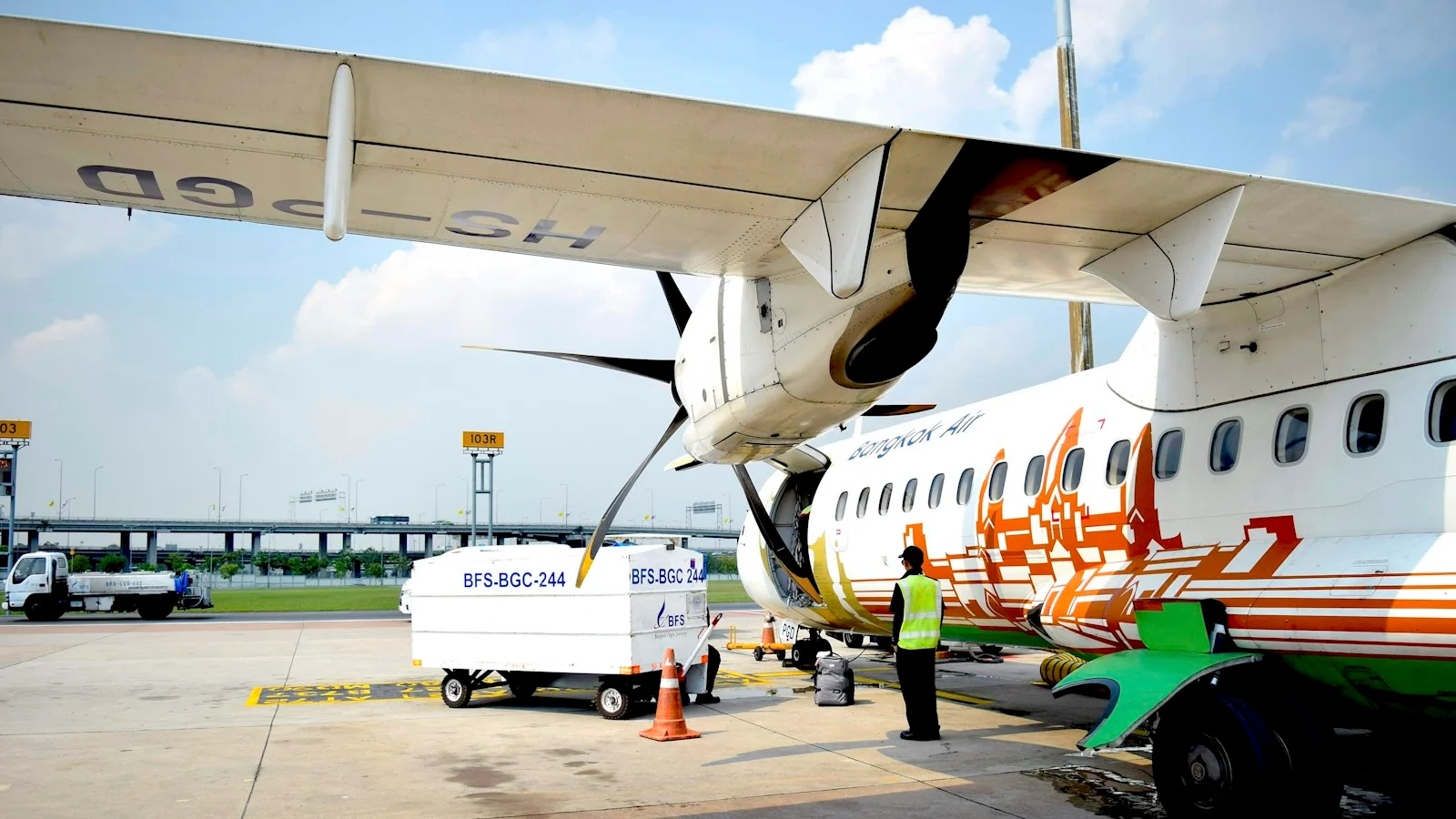
Ground crew jobs are one of the most accessible ways into Australian aviation. You don't need a degree or years of study, but you do need to show a ground handling company that you're safe, reliable and ready to work hard on a rotating roster. That's exactly what your resume needs to prove.
This guide covers who actually hires ground crew in Australia, the different roles on the ramp, what a turnaround involves, how recruitment usually works, and how to write a resume that gets you shortlisted, whether you're applying for your first ramp agent job or stepping up to leading hand.
Who Hires Ground Crew in Australia
Most ramp and baggage work at Australian airports is done by specialist ground handling companies working under contract to the airlines. The big names are Swissport, Menzies Aviation and dnata, and together they handle a large share of the Qantas, Jetstar, Virgin and international flights at the major airports. Some airlines also keep ground handling in-house at certain ports, and regional airports and charter operators often run their own small ground teams.
This matters for your application in two ways. First, contracts move between handlers, so the company running the ramp at your local airport today might not be the one running it in two years. Look up who handles which airline at your airport before you apply. Second, each handler has its own enterprise agreements, rosters and culture. A quick look at their careers page, and at reviews from people who've worked there, will help you tailor your cover letter and prepare for interview.
The Different Roles on the Ramp
"Ground crew" covers a range of jobs. Knowing which one you're applying for helps you pick the right experience to highlight.
- Ramp agent / baggage handler: loading and unloading bags and cargo, marshalling, chocking, and working the turnaround. The most common entry-level role.
- Baggage make-up and reclaim: sorting bags in the baggage hall onto the right flights and carts, and delivering bags to the carousels.
- Cargo agent: building and breaking down ULDs and pallets in the cargo terminal, often using forklifts and handling dangerous goods paperwork.
- Aircraft presentation: cleaning and preparing the cabin between flights. A good entry point with similar rosters.
- Pushback and GSE operator: driving tugs, belt loaders, ULD loaders and other equipment, including pushback with headset comms to the flight deck.
- Leading hand / turnaround coordinator: running the team on each aircraft, signing off the load and liaising with the crew and load control.
- Load controller: planning where bags, cargo and passengers go so the aircraft stays within weight and balance limits. Usually a step up from the ramp.
What a Turnaround Involves
If you can show you understand the turnaround, you'll stand out from applicants who just say they're "hard-working". On a typical domestic narrow-body turn, the aircraft arrives on stand, is chocked and coned, and the engines are spooled down before anyone approaches. Bags and cargo come off, the cabin is cleaned, the aircraft is fuelled and catered, and outbound bags and cargo are loaded to the Load Instruction Report. The leading hand checks the hold doors and paperwork, the team clears the area, and the aircraft is pushed back or taxis out, all in as little as 25 to 40 minutes.
Every step has a safety procedure attached: engine hazard zones, FOD walks, propeller awareness on turboprops, lightning and heat procedures, and strict rules about driving airside. When you write your resume, use this language. It shows you know what the job actually is.
What Ground Handling Companies Look For
Ground handlers turn aircraft around against tight schedules, in all weather, around moving aircraft and heavy equipment. When they read your resume, they're checking:
- Safety awareness: do you follow procedures and speak up about hazards?
- Licences and clearances: driver licence class, forklift, ASIC eligibility, Airside Driving Authority.
- Reliability: will you turn up for a 4 am start, every time?
- Physical capability: can you handle heavy lifting, bending in a cargo hold and outdoor work all year round?
- Teamwork: turnarounds only work when everyone does their part.
- Availability: early mornings, late nights, weekends and public holidays.
The Right Format
- One page is plenty for most ground crew roles. Two pages is fine for leading hands and supervisors.
- Put your licences and clearances near the top. They're often the first filter.
- A4, PDF, simple layout that works with online application systems. Our guide to ATS-friendly aviation resumes explains why.
- Include your suburb, so the recruiter can see you're within reach of the airport for early starts.
Section by Section
1. Professional Summary
"Reliable, safety-first ramp agent with three years' experience turning around narrow-body and turboprop aircraft at Sydney Airport. Holds a current ASIC and Airside Driving Authority and is competent on pushback tugs, belt loaders, GPU and ULD loaders."
No airport experience yet? Focus on the transferable things: physical work, shift work, equipment and safety.
"Physically fit, hard-working team member with two years in warehouse and logistics, holding a forklift licence and manual driver licence. Comfortable working outdoors in all weather and available for early starts, nights, weekends and public holidays."
2. Licences and Clearances
- ASIC (current, or "eligible to obtain"). Our ASIC guide explains the process.
- Airside Driving Authority (ADA) and the airport it's issued for.
- Driver licence class: C, MR or HR.
- Forklift licence (LF).
- Dangerous goods awareness.
- First aid.
3. Ground Support Equipment
If you've operated GSE, list it. It's one of the fastest ways to show you can hit the ground running: pushback tugs and towbars, towbarless tugs, baggage tugs, belt loaders, ULD and cargo loaders, GPU, air-conditioning units, water and lavatory carts, and passenger stairs. Name the aircraft types you've worked on too, for example A320, A321, B737, B787, A330, Q400, ATR 72 or E190.
4. Experience
Example bullet points for experienced ramp agents:
- Turn around up to 12 aircraft per shift including A320, B737, Q400 and ATR, meeting 30 to 40 minute turnaround targets.
- Load and unload baggage, cargo and ULDs to the Load Instruction Report (LIR) and weight and balance requirements.
- Perform marshalling, chocking, headset communication with flight crew and pushback operations.
- Complete pre-use GSE checks and report hazards through the safety reporting system.
- Handle priority, transfer and oversized bags, AVIH (live animals) and dangerous goods in line with airline procedures.
For applicants without airport experience:
- Pick, pack and load up to 300 items per shift against dispatch schedules with high accuracy.
- Operate forklifts and pallet jacks safely; follow WHS procedures and report hazards.
- Work as part of a team to meet tight truck departure times.
- Consistently available for rotating rosters including 5 am starts, weekends and public holidays.
For leading hands:
- Supervise teams of six to eight on each turnaround, briefing, allocating tasks and monitoring safety.
- Sign off loading against the LIR and liaise with load control on last-minute changes.
- Train and assess new ramp agents on GSE, pushback and airside procedures.
- Investigate ground damage and safety occurrences and put corrective actions in place.
Numbers help. Turns per shift, on-time performance, team size, zero ground damage incidents and years without a safety breach all say more than "worked on the ramp".
5. Training
List the Certificate II or III in Aviation (Ground Operations and Service) (AVI20219 or AVI30319) if you have it, plus manual handling, airside safety and FOD awareness, dangerous goods, human factors, and any leadership training. Many people get these on the job through a traineeship, so don't worry if you don't have them yet.
How Recruitment Usually Works
Every handler is a little different, but the process usually looks something like this:
- Online application: resume, availability and a few screening questions about licences, location and right to work.
- Phone screen or assessment day: a group session that can include an overview of the job, teamwork activities and a short interview. Some include a manual handling or functional assessment.
- Pre-employment checks: reference checks, a medical or drug and alcohol test, and your ASIC application.
- Induction and airside training: safety, GSE and airside driving training before you're signed off to work on the ramp.
Because ASIC background checks can take a few weeks, anything that might slow down your clearance, such as long periods overseas, is worth mentioning early so it doesn't catch you out.
Casual Work, Rosters and Pay
Many ground crew start as casuals or part-timers, often with a guaranteed minimum number of hours, and move to permanent roles as they build seniority. Rosters follow the flight schedule, so expect split shifts, very early starts and late finishes. Pay depends on which industrial instrument covers the employer and role. Check the applicable enterprise agreement, if there is one, or the relevant award. The Airline Operations – Ground Staff Award covers eligible airline ground staff; it is not a universal award for every airport role. Check the instrument for any shift, weekend or public holiday penalties. Our aviation jobs salary guide has more on pay.
Being honest about your availability in your application is important. A handler would rather hire someone who can genuinely cover early mornings than someone who says "fully flexible" and then can't.
Do You Need a Cover Letter?
Not every ground handling application asks for one, but if there's an option to add one, do it. Keep it short, around half a page, and cover three things: why you want to work on the ramp, the experience that proves you're safe and reliable, and your availability. Mention the airport by name. Our aviation cover letter guide has the structure.
Where Ground Crew Can Lead
The ramp is a launching pad. People who start as ramp agents regularly move into leading hand and supervisor roles, load control, ramp coordination and operations control, airside operations with the airport, and training and safety roles. Some use it as a way in while they study for a pilot licence or an engineering apprenticeship. If that's your plan, it's fine to say you're keen to build a long-term career in aviation, but keep the focus on the job you're applying for.
Keywords Ground Handlers Search For
Ramp agent, baggage handler, ground handling, turnaround, baggage, cargo, ULD, load instruction report (LIR), pushback, marshalling, GSE, belt loader, ASIC, Airside Driving Authority, forklift, manual handling, dangerous goods, FOD, on-time performance, shift work.
Mistakes to Avoid
- Burying your licences. If you hold the licences they need, put them where they'll see them.
- Not mentioning roster availability. Ground handling runs around the clock. Say when you're available.
- Skipping safety. Safety is the number one priority on the ramp. Show you take it seriously with a real example.
- Underselling non-aviation work. Warehouse, trades, delivery and labouring jobs are directly relevant.
- Applying to the wrong company. Check which handler runs the ramp at the airport you want to work at.
Prefer to start from a template? Our ground crew resume templates include versions for experienced ramp agents, entry-level applicants and leading hands, with sections for licences, clearances and ground support equipment ready to fill in.
Frequently Asked Questions
Do I need an ASIC before applying for ground crew jobs?
Usually not. Most employers will sponsor your ASIC application once you're offered a role, but you need to be eligible to pass the background check.
Do I need a heavy vehicle licence?
Not for most ramp roles, but an MR or HR licence can help for some airports and equipment, and it's worth listing if you have one.
Can I become ground crew with no experience?
Yes. Many ground handlers hire and train people from warehouse, trade and hospitality backgrounds. Show reliability, safety awareness and physical fitness.
Do I need a Certificate III in Aviation?
No. It can help, especially if you have no other relevant experience, but most handlers train new starters on the job and some offer traineeships that lead to the qualification.
How physical is the job?
Very. You'll be lifting bags all shift, often while kneeling or bending inside a cargo hold, and working outside in heat, cold and rain. Being fit and using good manual handling technique makes a big difference.
How do I move up from ramp agent?
Build a reliable safety record, learn as much equipment as you can, put your hand up for training, and let your supervisor know you're interested in leading hand or load control roles.
Ready to Apply?
Ground crew roles come up regularly at airports across Australia. Browse current ground crew jobs on Aviation Careers and set up an alert for your local airport. If you'd like a ready-made structure, our ground crew resume and cover letter templates can save you time.
Further Reading
→ How to Get an ASIC Card in Australia
→ Aviation Jobs Salary Guide 2026
→ The Best Places to Find Aviation Jobs in Australia
→ Airport Customer Service Resume Guide
→ How to Write an Aviation Cover Letter That Actually Gets Read
Last updated: November 2026
Related posts

How aviation employers may use applicant tracking systems, and how to make your resume easier for both software and recruiters to read.
How to write an aviation safety and compliance resume in Australia, including moving across from pilot, engineering or cabin crew roles.

How to write a resume and cover letter for Aviation Rescue Fire Fighting recruit intakes, transfers and Station Officer roles in Australia.