Updated by
Duke is the founder of Aviation Careers. He's Primarily an Airline Pilot in Australia with experience in Charter and Aeromedical operations. He is passionate about improving accessibility for younger generations in aviation and increasing safety throughout the industry.
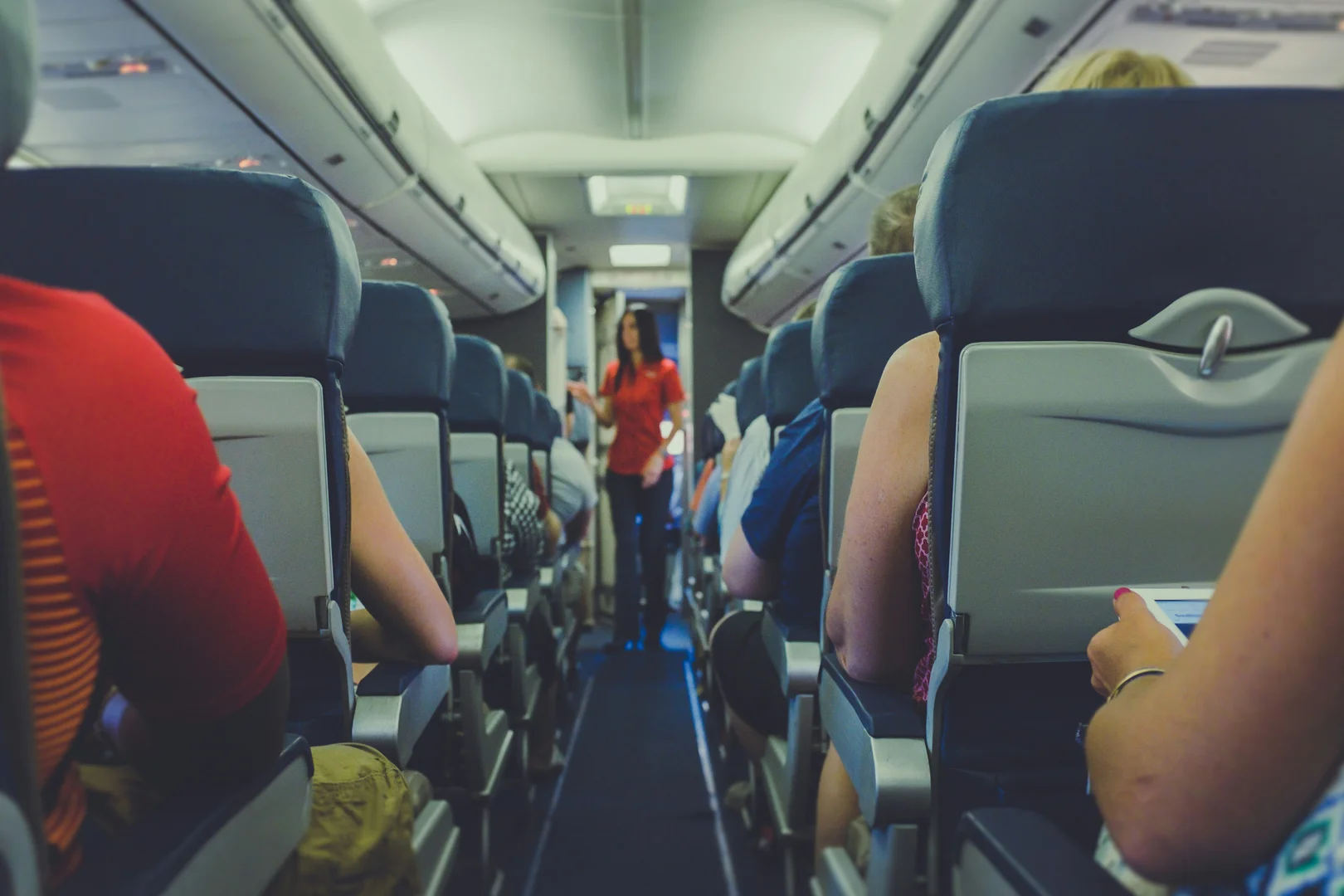
If you've ever watched cabin crew glide through a packed aircraft and thought that looks easier than my current job — this article is for you. And if you've thought the opposite — how on earth do they stay that composed? — this one's also for you. The reality of a flight attendant career in Australia and New Zealand sits somewhere more interesting than either assumption, and it's worth understanding exactly what you're signing up for before you apply.
Let's cut through the social media highlights and give you the full picture.
The Job Title Is Misleading
The term "flight attendant" — or cabin crew as it's more commonly referred to within the industry — undersells the role significantly. You are not primarily there to hand out drinks. That's a genuine part of the job, but it sits well down the priority list.
At its core, the role is a safety-critical position. Cabin crew are the last line of defence in an onboard emergency. Every service interaction — the smile at boarding, the safety demonstration, the meal run — happens within a framework designed to keep passengers alive and managed in the event something goes wrong at 37,000 feet.
The Civil Aviation Safety Authority (CASA) sets the regulatory requirements for cabin crew in Australia. Airlines build their training and operating procedures on top of those foundations. When you complete initial training, you're not just learning how to carry a tray — you're becoming a certified safety professional with legal responsibilities under the Civil Aviation Act 1988.
What Cabin Crew Actually Do: The Full Breakdown
Pre-Flight Duties
The job starts well before passengers board. A typical pre-flight sequence includes:
Crew briefing — Attending a briefing with the senior cabin crew member (sometimes called the Cabin Manager or Purser) and the flight crew. This covers the route, weather, any special passengers (unaccompanied minors, passengers requiring medical assistance, VIPs), security considerations, and the service plan for the flight.
Safety equipment checks — Physically checking every piece of safety equipment on the aircraft: life vests, oxygen systems, fire extinguishers, first aid kits, defibrillators, emergency exits, and escape slides. If it's not right, the aircraft doesn't push back.
Catering and galley checks — Verifying that catering loads are correct and that galley equipment is serviceable. Depending on the airline, this can be a significant logistical exercise on wide-body, long-haul aircraft.
Boarding management — Managing passenger flow during boarding, assisting with carry-on luggage, directing passengers to seats, and identifying any issues before the door closes.
Key tip: The pre-flight period is where experienced crew members say you really see who understands the job. Everything that happens in the air is easier if the preparation on the ground was thorough.
In-Flight Safety Responsibilities
This is the non-negotiable core of the role — and it never stops, regardless of what service phase you're in.
Safety demonstrations are legally required before every flight. Cabin crew either perform these manually or supervise the video version, and they must be accurate. The Civil Aviation Orders require passengers to receive specific safety information before departure.
Cabin surveillance — Crew are trained to monitor passenger behaviour throughout the flight. Signs of intoxication, distress, suspicious behaviour, or potential medical episodes are all within your scope to identify and manage.
Door and emergency management — Cabin crew are responsible for the operation of aircraft doors. Armed/disarmed configurations, cross-checking, and emergency exit management are drilled extensively in training and rechecked on every flight.
Emergency procedures — Every crew member must be able to execute emergency evacuation procedures, manage smoke and fire in the cabin, deploy life rafts, conduct water evacuations, and administer first aid — including CPR and the use of onboard AEDs — without hesitation.
Important note: Australian carriers operate under CASA's cabin crew training requirements, which mandate regular recurrency training and check flights. You don't just train once and forget it — emergency procedures are rehearsed on a defined cycle throughout your career.
In-Flight Service
This is the part most people picture when they think of the role. The reality is physically demanding and operationally complex.
Meal and beverage service involves pushing heavy trolleys down a narrow aisle, often on a moving aircraft, managing hundreds of individual orders across multiple service classes simultaneously. On a full Qantas or Virgin Australia domestic flight, a crew of three or four will complete a full service for 150–180 passengers in a tight window.
Passenger assistance covers an enormous range: helping elderly or mobility-impaired passengers, settling anxious flyers, managing unaccompanied children, resolving seating disputes, and handling the occasional difficult or disruptive passenger.
Special services — Depending on the airline and route, cabin crew manage everything from duty-free sales to specific dietary requirements, baby bassinet setups, and providing assistance to passengers travelling with medical equipment.
On long-haul international flights (Sydney to London, Melbourne to Los Angeles, Auckland to Hong Kong), the service structure is significantly more complex. Multiple meal services, rest periods for crew, multiple cabin classes each with different service standards, and flights spanning 17+ hours create a genuinely demanding working environment.
Post-Flight Duties
The job doesn't end when the wheels touch down.
Disembarkation management — Managing passenger flow off the aircraft, assisting passengers with special needs, and handling any incidents that occurred during the flight.
Cabin checks — A post-flight walk-through to check for left items, identify any cabin damage, and report anything requiring maintenance attention.
Incident reporting — Any safety-relevant event during the flight — turbulence injuries, medical events, disruptive passengers, equipment anomalies — must be formally documented.
The Reality of the Roster
This is where honest conversations about cabin crew careers often begin. The lifestyle implications of the role are significant, and they're worth understanding clearly before you apply.
Irregular hours are the norm. Cabin crew don't work Monday to Friday. Rosters are built around flight operations, which means early morning starts (think 4:00am check-ins for the first domestic departure), late-night finishes, split days off, and frequent public holiday work. Most enterprise agreements at major carriers include penalty rates for unsociable hours, but the hours themselves don't disappear.
Night stops and layovers are part of the job on both domestic and international networks. Domestic night stops in regional ports might mean a single night away. International layovers with Qantas, Virgin Australia, or Air New Zealand can mean several days in a city before the return sector. For some people, this is genuinely appealing. For others — particularly those with young families or significant commitments at home — it requires careful consideration.
Standby and reserve duties — Junior crew members frequently work on standby, meaning you're available on short notice to cover disrupted operations. This uncertainty is a real lifestyle factor in the early years.
Seniority matters. At most major Australian carriers, roster quality — better shift patterns, preferred routes, international versus domestic flying — improves with seniority. The early years of a cabin crew career typically involve less choice; the later years significantly more.
Strategic tip: Before applying, sit down and honestly map out how irregular hours and away time will intersect with your life outside work. This isn't a desk job you can mentally leave behind at 5pm.
Flight Attendant Salary in Australia and New Zealand: What to Expect
Pay varies by airline, experience level, and enterprise agreement. Entry-level domestic roles typically start in the $55,000–$65,000 base salary range, with senior cabin crew and international long-haul positions reaching $80,000–$100,000+. Importantly, allowances — meal, travel, overnight, and shift penalties — significantly boost take-home pay beyond base figures, and staff travel benefits are considered a meaningful part of the overall package at major carriers.
For a full breakdown of where the cabin crew job market is heading and what hiring looks like right now, read our Cabin Crew Job Prospects in Australia & New Zealand: 2026 Outlook.
Who Employs Cabin Crew in Australia and New Zealand?
The Australian and New Zealand cabin crew market is anchored by a handful of major carriers, each with its own culture, fleet, and network:
Qantas operates the largest domestic and international network in Australia, with cabin crew working across narrow-body domestic operations and wide-body international flying on aircraft including the Boeing 737, 787 Dreamliner, and Airbus A380. Qantas cabin crew are employed under the Qantas Cabin Crew Enterprise Agreement.
Virgin Australia is the second major domestic carrier, operating a narrowbody fleet across the domestic network. Virgin has also re-entered international flying in recent years, with cabin crew working trans-Tasman and some Pacific routes.
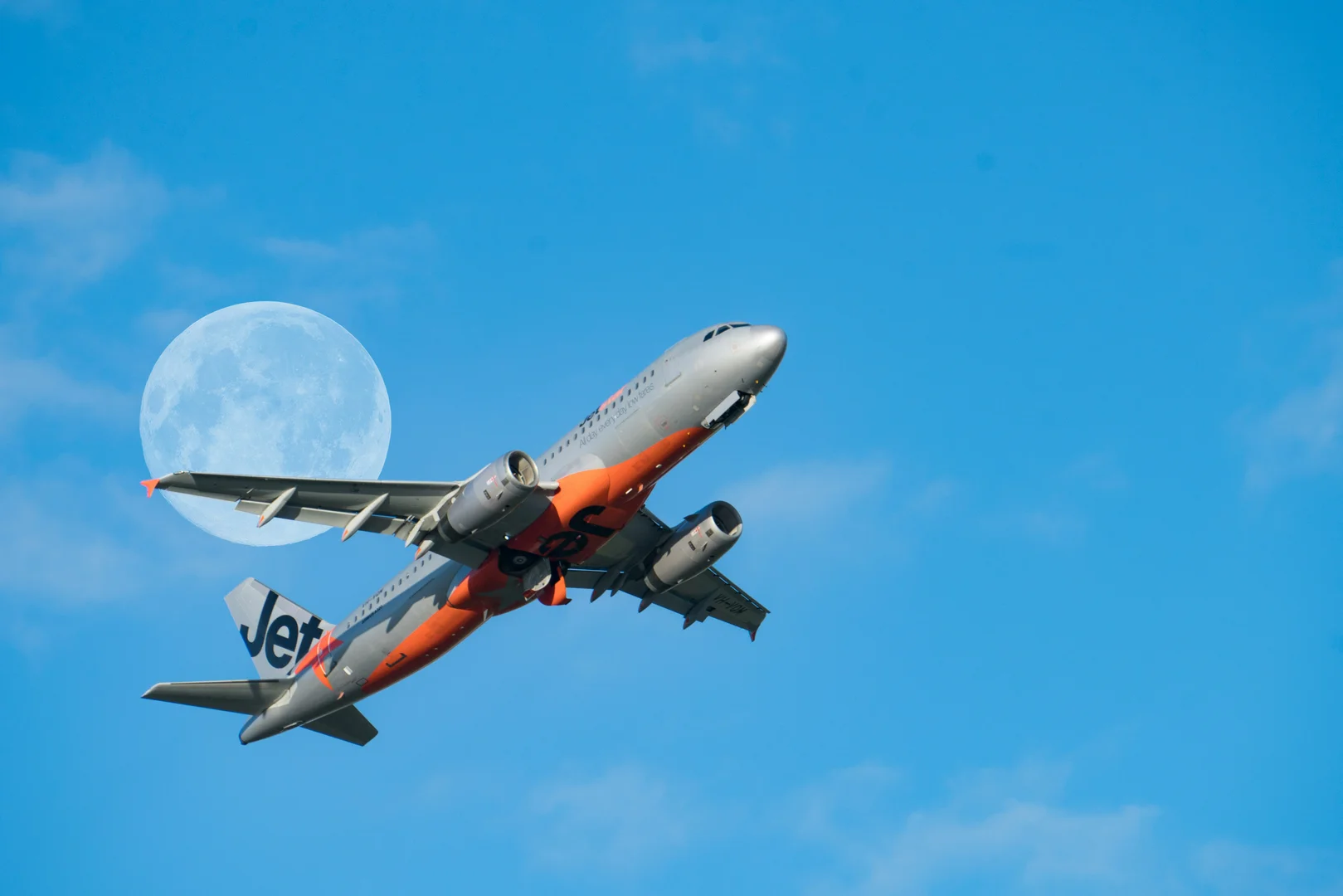
Jetstar — Qantas's low-cost subsidiary — operates significant domestic and international flying, including routes across Asia and the Pacific. Jetstar cabin crew work under a separate enterprise agreement to Qantas mainline.
Air New Zealand is the dominant carrier across the Tasman, operating a major international network alongside New Zealand's domestic market. Australian-based crew can work trans-Tasman services; NZ-based roles are based primarily in Auckland.
Regional carriers — Rex Airlines, Qantas link, and charter operators including Cobham Aviation and Alliance Airlines operate smaller aircraft across regional and FIFO routes. These roles can offer strong entry points for those building experience.
Minimum Requirements: What You'll Need Before You Apply
Airlines set their own minimum requirements, but across major Australian and New Zealand carriers, you can expect the following:
Age: Minimum 18 years (most carriers have no upper age limit)
Right to work: Australian or New Zealand citizenship, permanent residency, or applicable visa work rights. Most roles require unrestricted working rights across all ports the carrier operates.
Education: Year 12 completion (or equivalent) is typically required
Reach requirement: Most carriers require a standing arm reach of approximately 212cm to operate overhead safety equipment. This is measured at assessment, not estimated.
Swimming: The ability to swim 50 metres unaided and tread water for a minimum period is required. Some carriers conduct water survival training and assess this directly.
First aid: A current Senior First Aid Certificate (HLTAID011 in Australia) is required. Many carriers will accept candidates who hold this at time of application; some specify it must be obtained before commencement of training.
RSA: A valid Responsible Service of Alcohol certificate is required in most Australian states and territories.
Criminal history: A National Police Check will be required. Aviation Security Identification Card (ASIC) eligibility is mandatory — certain criminal histories will preclude ASIC approval.
Medical: Cabin crew must meet specific medical standards. An aviation medical is not required (that applies to pilots and air traffic controllers), but general health requirements related to fitness, vision, hearing, and the ability to perform safety duties are assessed.
Language: Fluent spoken and written English is required. Additional language skills are valued by carriers operating international routes.
Key tip: The reach requirement catches a lot of candidates off guard. If you're unsure, measure yourself at home with your arm fully extended above your head — most carriers measure this against a specific marked height on a wall at assessment.
Initial Training: What to Expect
Once you're selected, you'll undergo Cabin Crew Initial Training — typically four to six weeks — before you're authorised to operate commercially. This is fully paid at most major carriers.
Training covers:
Emergency procedures — Evacuation drills, water survival, fire and smoke procedures, emergency equipment operation
First aid and AED use — Detailed practical training in aviation-specific first aid scenarios
Safety demonstrations and regulatory compliance — Legal requirements under CASA regulations
Customer service standards — Airline-specific service procedures for each class and route type
Security awareness — Recognising and responding to security threats, aircraft security procedures
Aircraft-specific training — Different aircraft types require separate type endorsements (B737 versus A330, for example)
Training is demanding and attrition does occur. Treat it like a professional qualification — because that's exactly what it is.
Important note: Unlike the pilot pathway, there are no registered training organisations in Australia that offer a recognised cabin crew qualification you can obtain independently and apply to roles with. Airlines train their own crew using their own approved manuals and assessment frameworks under CASA oversight. Pre-employment courses exist but are not a substitute for airline-delivered initial training and are generally not required.
Career Progression: Where Can It Take You?
Cabin crew isn't a flat career — there's a well-defined progression path, and the role opens doors well beyond the aircraft door.
Within the cabin crew career:
Cabin Manager / Purser — Senior crew member responsible for managing the cabin and crew on a given flight. This role comes with significantly increased responsibility and pay, and involves crew performance management, passenger complaint resolution, and liaison with the flight deck.
International Check Crew — Experienced crew who conduct line checks on other crew members as part of ongoing competency assessment.
Trainer roles — Delivering initial and recurrency training to new and existing crew within the airline's training organisation.
Recruitment and assessment — Senior crew often contribute to candidate selection and assessment day facilitation.
Beyond cabin crew:
Many cabin crew move into broader aviation, hospitality, and corporate roles. Airlines value the operational discipline, service standards, and customer-facing skills that experienced crew develop. Roles in airline operations, airport management, cabin crew recruitment, and corporate travel are common career transitions.
The Honest Pros and Cons
Rather than sugarcoat it, here's the balanced view that any good recruiter would give you.
What makes cabin crew a genuinely compelling career:
Travel as a genuine feature of the job — particularly on international flying
Staff travel benefits that extend to family
Strong team culture and camaraderie within crew groups
Clear progression pathway
Variety — no two days (or flights) are the same
A role where the safety and wellbeing work you do genuinely matters
What requires honest consideration:
Irregular hours and sustained time away from home
Physical demands — you're on your feet for most of the working day, in a pressurised, low-humidity cabin environment
The emotional load of managing distressed, unwell, or disruptive passengers
Early-career roster inflexibility
Base salary that — without allowances — is modest relative to the responsibility of the role
Your Next Steps
If the role sounds right for you after reading this, here's how to position yourself well in the Australian and NZ market:
Get your First Aid Certificate — HLTAID011 (Provide Advanced First Aid) is the standard. Many candidates obtain this before applying, which removes one barrier at assessment.
Obtain your RSA — Complete the Responsible Service of Alcohol certification relevant to your state or territory. In NSW it's the RSA course through an approved provider; requirements vary by state.
Browse cabin crew roles on Aviation Careers — View current opportunities as they're listed across Australian carriers.
Monitor airline careers pages — Qantas, Virgin Australia, Jetstar, and Air New Zealand all run periodic recruitment campaigns. Applications are not always open — setting up job alerts is essential.
Staying Informed About Aviation Careers
Cabin crew is one pathway into Australian aviation — but it's worth understanding the full landscape:
Cabin Crew Job Prospects in Australia & New Zealand: 2026 Outlook — Hiring trends, which carriers are recruiting, and where the market is heading
Aviation Jobs Salary Guide 2026: What You Can Earn in Australian Aviation — How cabin crew pay compares across the full industry
The Best Places to Find Aviation Jobs in Australia — Where to look beyond the airline careers pages
The Definitive Guide to Pilot Recruitment in Australia 2026 — If you're weighing up the flight deck versus the cabin
Aircraft Maintenance Engineer Career Guide — The engineering side of the industry
Your Complete Guide to Aviation Medical Certificates in Australia — Relevant if you're considering the pilot pathway alongside cabin crew
Ready to Take Flight? Explore Aviation Career Opportunities
Whether you're applying for your first cabin crew role or exploring a move within the industry, Aviation Careers connects aviation professionals with Australia and New Zealand's leading employers across every sector.
Browse All Aviation Jobs →
Find positions for:
Cabin crew and flight attendants
Commercial and charter pilots
Aircraft maintenance engineers (LAME)
Air traffic controllers
Flight instructors
Ground crew and operations staff
Salary figures are indicative for the 2026 Australian and New Zealand market and reflect base pay only. Actual total remuneration — including allowances, penalties, and benefits — will vary by carrier, enterprise agreement, and individual experience level. Always refer to current enterprise agreements and airline recruitment materials for up-to-date information. Minimum requirements are subject to change; verify directly with the relevant carrier before applying.
Last updated: March 2026