Updated by
Duke is the founder of Aviation Careers. He's Primarily an Airline Pilot in Australia with experience in Charter and Aeromedical operations. He is passionate about improving accessibility for younger generations in aviation and increasing safety throughout the industry.
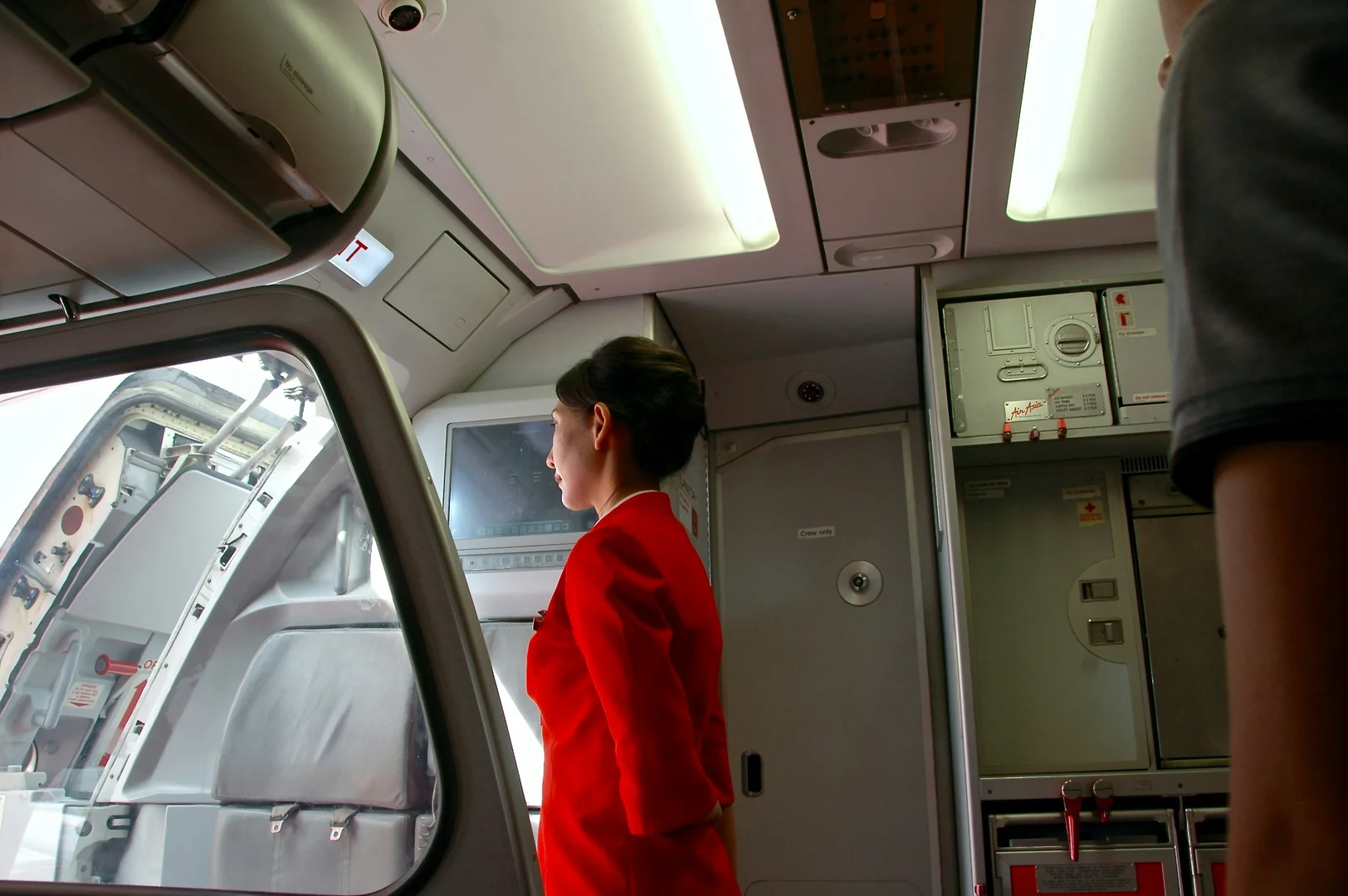
If you've ever gazed out an aircraft window and thought "that could be me," you're not alone. A career as a flight attendant remains one of the most sought-after roles in Australian aviation — and right now, the job market is moving. Airlines are actively recruiting, routes are expanding, and the industry is firmly in recovery mode following the turbulence of recent years. But with different opportunities across regional, domestic, and international operations, knowing where to focus your energy matters. Here's your complete breakdown of the current cabin crew job market in Australia.
The State of the Market: Where Things Stand
Australia's aviation sector has bounced back strongly, and cabin crew recruitment has followed. Passenger numbers are tracking at or above pre-pandemic levels on most major routes, and airlines are investing in fleet expansions that directly translate into crew headcount. The demand for quality cabin crew is real — but competition remains strong, and airlines are selective.
The market broadly splits into three tiers: regional, domestic, and international. Each comes with its own culture, lifestyle, pay structure, and career trajectory. Understanding the differences before you apply can be the difference between landing your dream role and settling for something that doesn't quite fit.
Who's Hiring: The Key Operators
Qantas Group
Qantas is Australia's flagship carrier and the country's largest employer of cabin crew. The Qantas Group operates across several distinct cabin crew workforces, each with different conditions and bases.
Qantas International (QAL) long-haul crew are based in Sydney, Melbourne, and Brisbane, flying the airline's widebody fleet — including the A380 and B787 — to destinations across the Americas, Europe, Asia, and Africa. These are among the most coveted positions in Australian aviation.
Qantas Domestic (QD) crew operate across Sydney, Melbourne, Brisbane, Perth, and Adelaide on the mainline domestic network, occasionally venturing into nearby international ports in the Asia-Pacific region.
QantasLink encompasses several regional subsidiaries. Sunstate and Eastern Airlines crew operate jet services, while Network Aviation — a Perth-based subsidiary — serves Western Australian regional routes including FIFO (Fly-In Fly-Out) charter operations to destinations like Karratha, Broome, and Busselton, flying F100, A319, and A320 aircraft. QantasLink cabin crew can be based as solo operators, which requires a strong sense of independence.
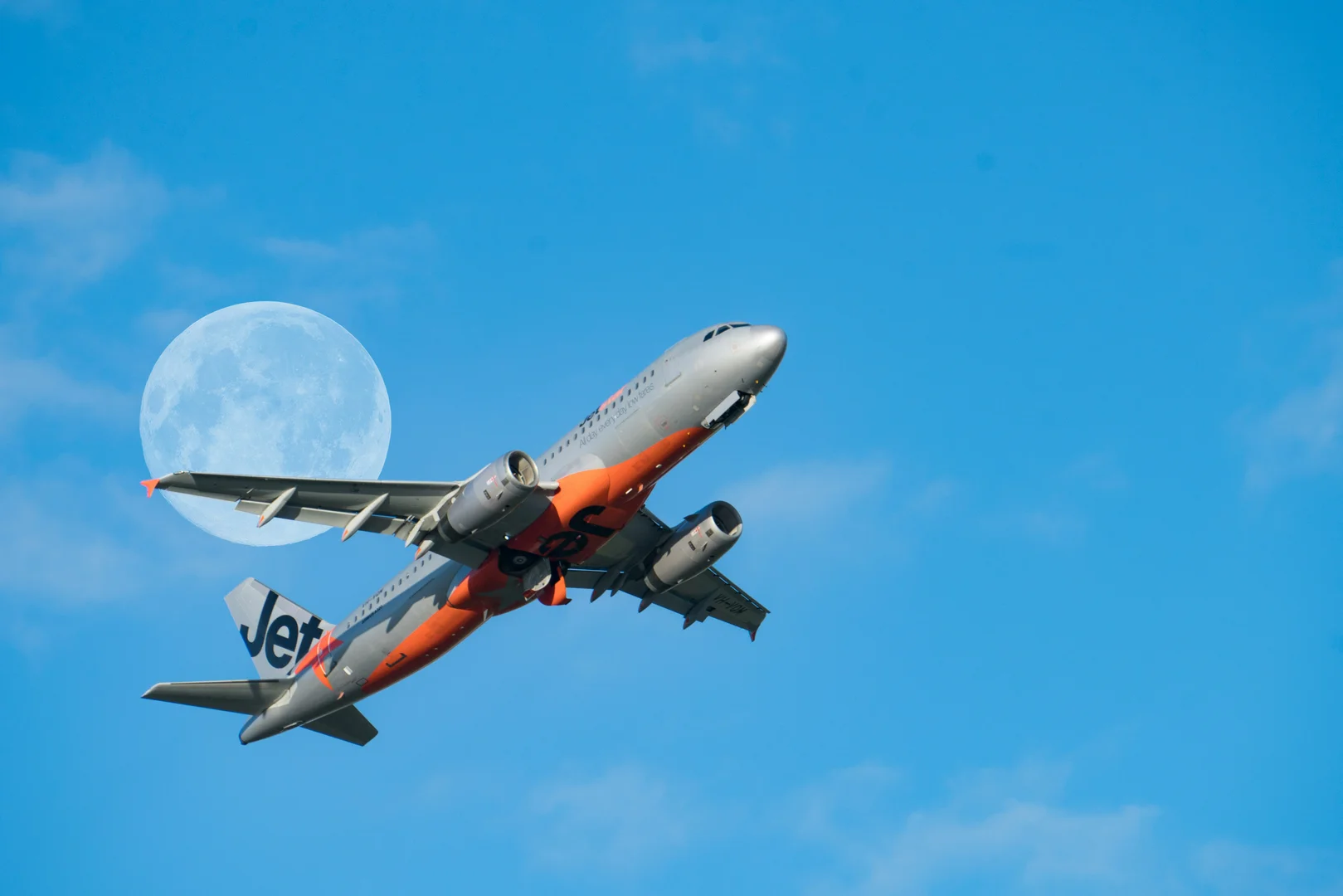
Jetstar (Qantas Group's low-cost carrier) operates both domestically and internationally across the Asia-Pacific. Recruitment is periodic and competitive, with crew based across multiple Australian ports. Jetstar currently has no open cabin crew roles listed on their careers page but encourages prospective crew to sign up for job alerts.
Virgin Australia
Virgin Australia is the country's second major full-service carrier and a consistent recruiter of cabin crew. Operating a fleet of Boeing 737s across a comprehensive domestic network, Virgin has positioned itself firmly in the premium domestic space following its restructure. The airline recruits from Sydney, Melbourne, Brisbane, Perth, and Adelaide bases.
Virgin is currently collecting expressions of interest for cabin crew, meaning they are not actively hiring to specific numbers but building a talent pool for upcoming training schools. Benefits include six weeks of annual leave, free onsite physiotherapy at major ports, and $1,000 in annual travel credits on top of heavily discounted staff fares.
Rex (Regional Express)
Rex is Australia's largest independent regional airline, operating a fleet of Saab 340 turboprop aircraft to 54 destinations across regional and rural Australia. Rex is actively recruiting cabin crew — particularly for its Sydney base — making it one of the more accessible entry points into aviation right now.
What makes Rex unique is the solo cabin crew model: you manage the entire cabin independently. It's demanding, but it builds confidence and capability quickly, and Rex crew are known for delivering outstanding personalised service. The airline recently won the Apex Award 2025 for Best Cabin Service in the South Pacific, a testament to its team's quality.
Corporate & Charter Aviation
Beyond commercial airlines, there's a growing market for corporate jet cabin crew in Australia. Operators like Luxaviation are actively recruiting in Sydney for experienced flight attendants to join their corporate fleet. This niche sector rewards luxury hospitality experience and discretion, with senior positions attracting very strong compensation.
Regional vs. Domestic vs. International: Breaking It Down
Regional Cabin Crew
Who operates: Rex (Regional Express), QantasLink (Sunstate, Eastern, Network Aviation)
What the job looks like: Regional flying is fast-paced and high-turnover in terms of sectors per day. You might fly four to six short hops before lunch. Routes connect major cities to smaller towns, and in some cases you'll be the only crew member on board — making safety knowledge and self-reliance non-negotiable.
For FIFO operations (particularly with Network Aviation in WA), the passenger demographic is largely resources workers heading to remote sites. It's a distinct environment that requires strong interpersonal skills and adaptability.
The lifestyle: You'll likely be home most nights, which suits those with local ties. The rosters tend to be structured and predictable relative to long-haul work. You'll see a lot of regional Australia — places most Australians never visit — and build deep familiarity with specific routes.
Pay: Regional roles typically sit at the lower end of the pay spectrum. Entry-level regional crew can expect to start between $45,000 and $57,000 per annum, with allowances for early starts, overnight stays, and weekend work adding to the base. Rex roles are covered under enterprise agreements, and the Aircraft Cabin Crew Award (MA000047) provides minimum pay benchmarks reviewed annually by Fair Work Australia.
Best for: Career starters wanting to build flight hours and experience, those with strong ties to a home city, and people who thrive on independence and variety within a structured environment.
Domestic Cabin Crew
Who operates: Qantas Domestic, Virgin Australia, Jetstar
What the job looks like: Domestic flying sits in the sweet spot between the high independence of regional work and the complexity of international operations. You're part of a larger crew, operating on narrowbody jets (B737s, A320s) across capital cities and major tourism destinations. Service standards are higher, and for full-service carriers like Qantas and Virgin, you'll work business class cabins alongside economy.
The lifestyle: Domestic rosters offer good work-life balance relative to international — you're generally back home within 24 to 48 hours. Night-stop allowances and early morning operations are part of the deal, but you won't be dealing with jet lag the way long-haul crew do. Major-port basing means you're living in a capital city and commuting to an international airport.
Pay: Domestic full-service crew earn between $55,000 and $80,000 depending on the airline, seniority, and enterprise agreement. Virgin Australia offers six weeks' annual leave and a strong benefits package. Qantas Domestic crew have seen improved conditions following enterprise bargaining, with experienced crew earning toward the upper end of this range plus allowances. Low-cost carrier roles (Jetstar) tend to sit lower, offset by the lifestyle appeal and travel perks.
Best for: Those who want the flight attendant lifestyle without the complexities of long-haul rosters, people who prefer regular home time, and those building toward international roles.
International Cabin Crew
Who operates: Qantas International (QAL), some Jetstar International routes
What the job looks like: This is the pinnacle of cabin crew work in Australia. Long-haul international flying means operating on Qantas's wide body fleet — A380s and B787 Dreamliners — to destinations including London, Los Angeles, New York, Singapore, Tokyo, Cape Town, and more. Crew members hold multiple aircraft endorsements and are trained across all cabin classes, including First Class on select services.
International crew must hold a valid passport with unrestricted access to all Qantas destinations, and the role demands a high level of emotional intelligence, luxury service delivery, and safety expertise.
The lifestyle: This is where the career becomes genuinely adventurous. Layovers in world cities — sometimes 24 to 48 hours — mean you're genuinely experiencing the destinations you fly to. However, it comes with real costs: disrupted sleep patterns, time away from family, irregular rosters, and the physical demands of ultra-long-haul flying (including Qantas's Project Sunrise non-stop routes from Sydney to London and New York on the A350, entering service soon).
Pay: International crew earn significantly more, with total remuneration ranging from $70,000 to over $110,000 for experienced long-haul crew once allowances, per diems, and international layover payments are factored in. Average base for international crew sits around $69,000, with top earners comfortably into six figures. Staff travel benefits are particularly valuable at this level — discounted and standby travel across the Qantas global network and Oneworld partners.
Best for: Those prioritising adventure and income, people without young children or with flexible family arrangements, and career cabin crew committed to the industry long-term.
Pay at a Glance
Sector | Typical Starting Pay | Experienced / Senior Pay | Key Extras |
|---|---|---|---|
Regional | $45,000 – $57,000 | $60,000 – $70,000 | Night stop allowances, solo loading |
Domestic (LCC) | $45,000 – $60,000 | $65,000 – $80,000 | Staff travel, shift penalties |
Domestic (Full Service) | $55,000 – $70,000 | $75,000 – $90,000 | Premium service increments, 6 wks leave |
International | $60,000 – $75,000 | $85,000 – $110,000+ | Per diems, layover allowances, global travel |
Corporate/Charter | $48,000 – $72,000 | $72,000 – $120,000+ | Freelance rates up to $500/day |
Figures are indicative and based on publicly available salary data and industry averages as of early 2026. Individual packages vary by airline, enterprise agreement, and seniority.
What Are Airlines Looking For Right Now?
Across the board, Australian airlines are prioritising candidates with strong customer service backgrounds, genuine adaptability, and a demonstrated ability to remain calm under pressure. Specific requirements vary, but common prerequisites include:
Minimum age of 18 years
Australian or New Zealand citizenship or permanent residency
Height requirements (typically 163–186cm, with some variation by operator)
Current First Aid Certificate (HLTAID011 or equivalent)
Responsible Service of Alcohol Certificate
Swimming competency (50 metres fully clothed is standard)
Valid passport with unrestricted travel access
Clean police and security background check (ASIC eligibility)
For regional operators like Rex, height requirements are lower (up to 173cm), reflecting the smaller cabin dimensions of the Saab 340.
The Lifestyle Reality: Honest Perspectives
A flight attendant career is genuinely rewarding — but it's worth going in with clear expectations.
The benefits are real and significant: discounted travel for you and your family, exposure to the world, variety in every working day, strong team camaraderie, and a pay structure that rewards loyalty and seniority. Many crew describe the lifestyle as one they wouldn't trade for any office job.
The challenges are equally real: irregular hours, early morning starts, public holidays away from family, the physical toll of pressurised cabin environments, and managing your health through time zone changes. International crew in particular need strong self-discipline around sleep, nutrition, and rest.
The good news is that the career has strong longevity. Experienced senior crew at major carriers are among the best-compensated and most lifestyle-flexible employees in the aviation sector — and the seniority system rewards those who commit.
Ready to Take Off?
The Australian cabin crew job market in early 2026 is active, competitive, and genuinely full of opportunity — whether you're targeting your first regional role with Rex or working toward an international position with Qantas. The key is preparation: having your certificates in order, understanding which sector suits your lifestyle, and putting your best self forward in a highly competitive application process.
For everything you need to know about meeting airline requirements, nailing your application, and completing your training, read our comprehensive guide: How to Become a Flight Attendant in Australia: Requirements & Application Tips
Find Your Next Role Today
Whether you're just starting out or ready to take your career to the next level, the best opportunities don't stay on the board for long. Head to the AviationCareers.com.au Job Board to browse current cabin crew and flight attendant vacancies across regional, domestic, and international operators right now.
Your boarding pass to a better career starts here.
AviationCareers.com.au is Australia's dedicated job board for aviation professionals. Browse roles across cabin crew, flight operations, ground handling, maintenance, and more