Updated by
Duke is the founder of Aviation Careers. He's Primarily an Airline Pilot in Australia with experience in Charter and Aeromedical operations. He is passionate about improving accessibility for younger generations in aviation and increasing safety throughout the industry.
Every time a commercial aircraft departs Sydney, crosses the Nullarbor at 37,000 feet, and touches down in Perth, it passes through the hands of at least three different teams of air traffic controllers. Most people know that ATC exists — but few outside the industry understand that "air traffic controller" isn't a single job. It's a family of specialised roles, each responsible for a distinct slice of airspace, with unique skills, environments, and career pathways attached.
If you're considering a career with Airservices Australia or simply want to understand how Australia's airspace is managed, this guide breaks down the three core ATC disciplines: En Route Control, Tower Control, and Approach Control — what each one does, where they work, how they differ, and what it takes to get there.
What Is Air Traffic Control?
Air traffic control (ATC) is the service that manages the safe, orderly, and expeditious flow of aircraft through Australian airspace and on the ground at airports. In Australia, this service is delivered by Airservices Australia, a government-owned corporation that oversees approximately 11% of the world's airspace — around 53 million square kilometres.
ATC is not one continuous job. As an aircraft moves from gate to destination, it transitions through distinct phases of flight, each managed by a different controller — or even a different facility entirely. Understanding these phases is the key to understanding the three ATC roles.
Quick fact: Australia's airspace supports over 4 million aircraft movements per year, handled by around 1,000 operational air traffic controllers across the country.
The Three Core ATC Roles
1. Tower Control (Aerodrome Control)
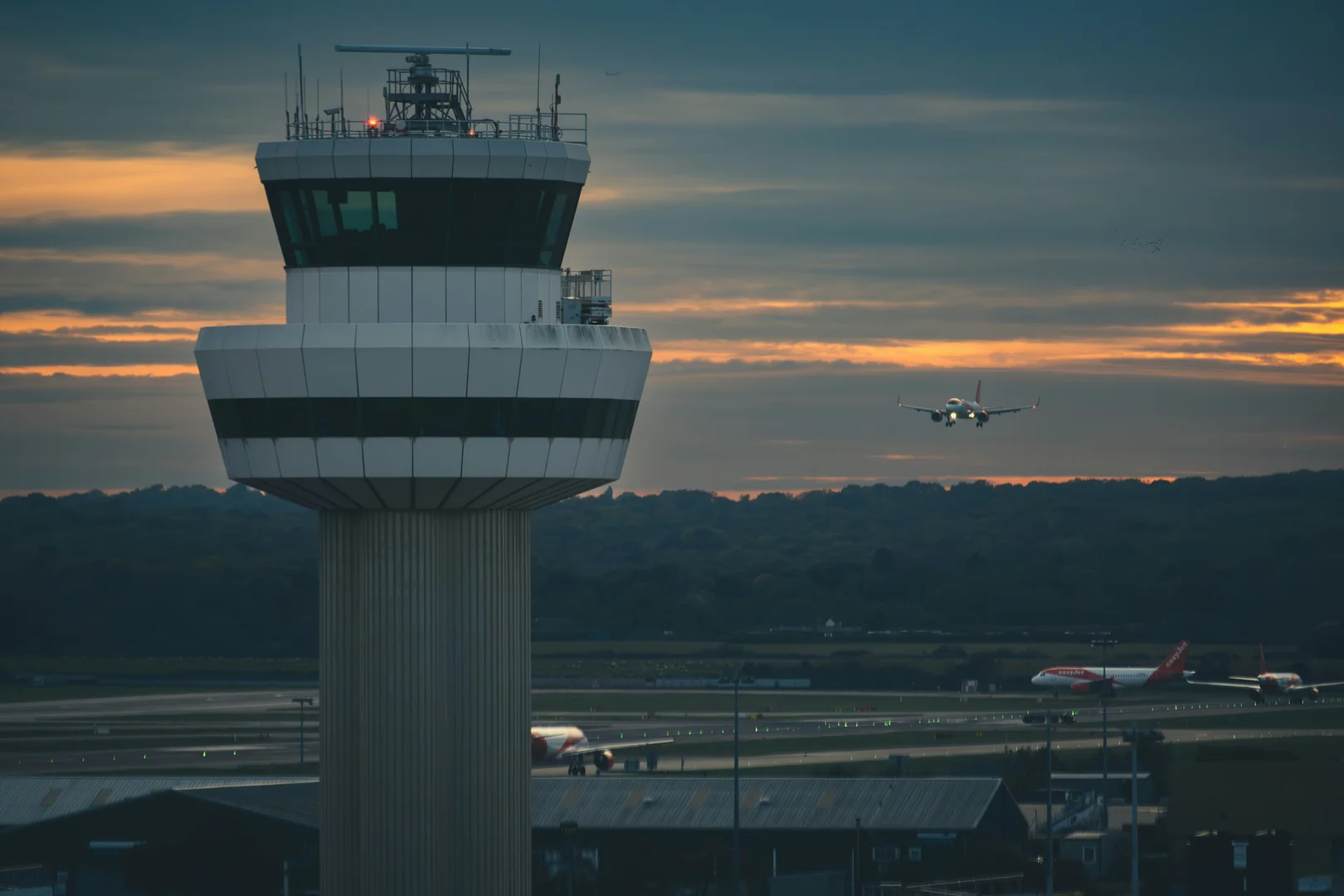
What they do: Tower controllers manage aircraft on the ground and in the immediate vicinity of an airport. If you've ever watched a plane taxi to the runway, line up, and lift off — that sequence was coordinated by a tower controller.
Tower control is split into two main positions:
Ground Control: Directs aircraft and vehicles on the manoeuvring area — taxiways, aprons, and runways. Ground controllers ensure there are no conflicts between aircraft taxiing out for departure and those vacating the runway on arrival.
Local Control (Air Control): Responsible for the active runway and the airspace immediately surrounding the aerodrome, typically within a radius of 5–10 nautical miles and up to around 2,500 feet AGL. They issue takeoff and landing clearances and manage the sequence of arriving and departing traffic.
Where they work: At the top of the control tower, with a direct visual view of the airfield. Major towers in Australia include Sydney (YSSY), Melbourne (YMML), Brisbane (YBBN), Perth (YPPH), and Adelaide (YPAD).
The environment: Tower control is fast-paced and highly visual. Controllers are constantly scanning the airfield and sky, juggling radio communications with pilots across multiple frequencies, and maintaining situational awareness of every movement on and around the airport. At major aerodromes, the workload during peak periods — morning bank, school holidays, adverse weather — is intense.
What makes it unique: Unlike other ATC roles, tower controllers can see their traffic. This direct visual component adds a layer of situational awareness that radar-based environments don't provide, but it also demands sharp observation skills and the ability to manage the physical airfield as well as the airspace above it.
2. Approach Control (Terminal Control)
What they do: Approach controllers (also called terminal controllers) manage the transition between the en route environment and the aerodrome. They take aircraft from the upper airspace and guide them down through the descent, sequencing multiple arrivals into an orderly stream for the tower to land.
On the departure side, approach controllers accept aircraft climbing out from the tower and manage them through the lower terminal airspace until they're established on their route and ready to be handed to en route control.
Key responsibilities include:
Sequencing arrivals: Establishing the correct order for aircraft approaching the airport and ensuring adequate separation between them — typically using radar vectors, speed control, and altitude assignments.
Conducting instrument approaches: Guiding pilots through the approach procedure (ILS, RNAV, VOR) in instrument meteorological conditions (IMC).
Managing departures: Clearing departing aircraft through the terminal airspace and coordinating handoffs to en route control.
Airspace integration: Coordinating with adjacent facilities, military airspace, and non-controlled traffic.
Where they work: In a darkened radar room, known as a Terminal Control Unit (TCU), located at or near major airports. In Australia, the main TCUs are co-located with the major tower facilities in Sydney, Melbourne, Brisbane, Perth, and Adelaide. Controllers work radar screens rather than windows — there's no visual of the sky.
The environment: Approach control is often described as the most technically demanding of the three roles. Controllers are managing multiple aircraft across different altitudes and speeds simultaneously, often in complex, congested airspace. Sydney's terminal area, for instance, handles one of the busiest approach environments in the Southern Hemisphere, integrating traffic from multiple runways with overflying aircraft and proximity to other aerodromes like Bankstown and Camden.
What makes it unique: Approach control demands exceptional spatial reasoning and the ability to "build a picture" of three-dimensional traffic in your head — all while communicating clearly, issuing instructions, and coordinating with adjacent sectors. Weather, aircraft performance differences, and airline punctuality pressures all add to the complexity.
3. En Route Control (Area Control)
What they do: En route controllers — also called area controllers — manage aircraft in the cruise phase of flight, from the time they leave the terminal area to when they begin descending toward their destination. In practical terms, this means managing traffic at high altitudes (typically above FL180, or 18,000 feet) across vast sectors of Australian airspace.
Australia's en route airspace is divided into sectors managed from two Area Control Centres (ACCs):
Melbourne ACC (YMML): Manages the southern half of Australia's airspace, including trans-Tasman and southbound international routes.
Brisbane ACC (YBBN): Handles the northern half, including routes across the Pacific and into Southeast Asia.
En route responsibilities include:
Maintaining separation: Ensuring aircraft are separated by the required distance (horizontally or vertically) at all times, using radar and procedural techniques.
Oceanic control: Managing aircraft over the vast oceanic sectors where radar coverage is limited or absent, relying on position reports and CPDLC (Controller-Pilot Data Link Communications).
Coordinating handoffs: Handing traffic to adjacent sectors, international FIRs (Flight Information Regions), and terminal control units as aircraft approach their destination.
Traffic flow management: Working with airlines and flight operations centres to manage flow into congested terminal areas or around severe weather systems.
Where they work: In large, radar-equipped operations rooms at Melbourne and Brisbane ACCs. Each controller works a specific sector of airspace, and during busy periods, sectors can be "split" to reduce individual workload.
The environment: En route control is often described as more methodical than tower or approach. Traffic moves more slowly in relative terms, and controllers have more time to plan and coordinate. However, the complexity of managing hundreds of aircraft across enormous sectors — including oceanic airspace with limited radar — demands precision and structured thinking. The stakes are extremely high: a separation error at FL350 over the ocean has very different consequences from one on the ground at a regional aerodrome.
What makes it unique: En route controllers manage the biggest airspace and handle international traffic. Oceanic control is particularly specialised — without continuous radar coverage, controllers rely on procedural separation techniques and pilot position reports. It's a very different skill set from the radar-intensive terminal environment.
How the Three Roles Work Together
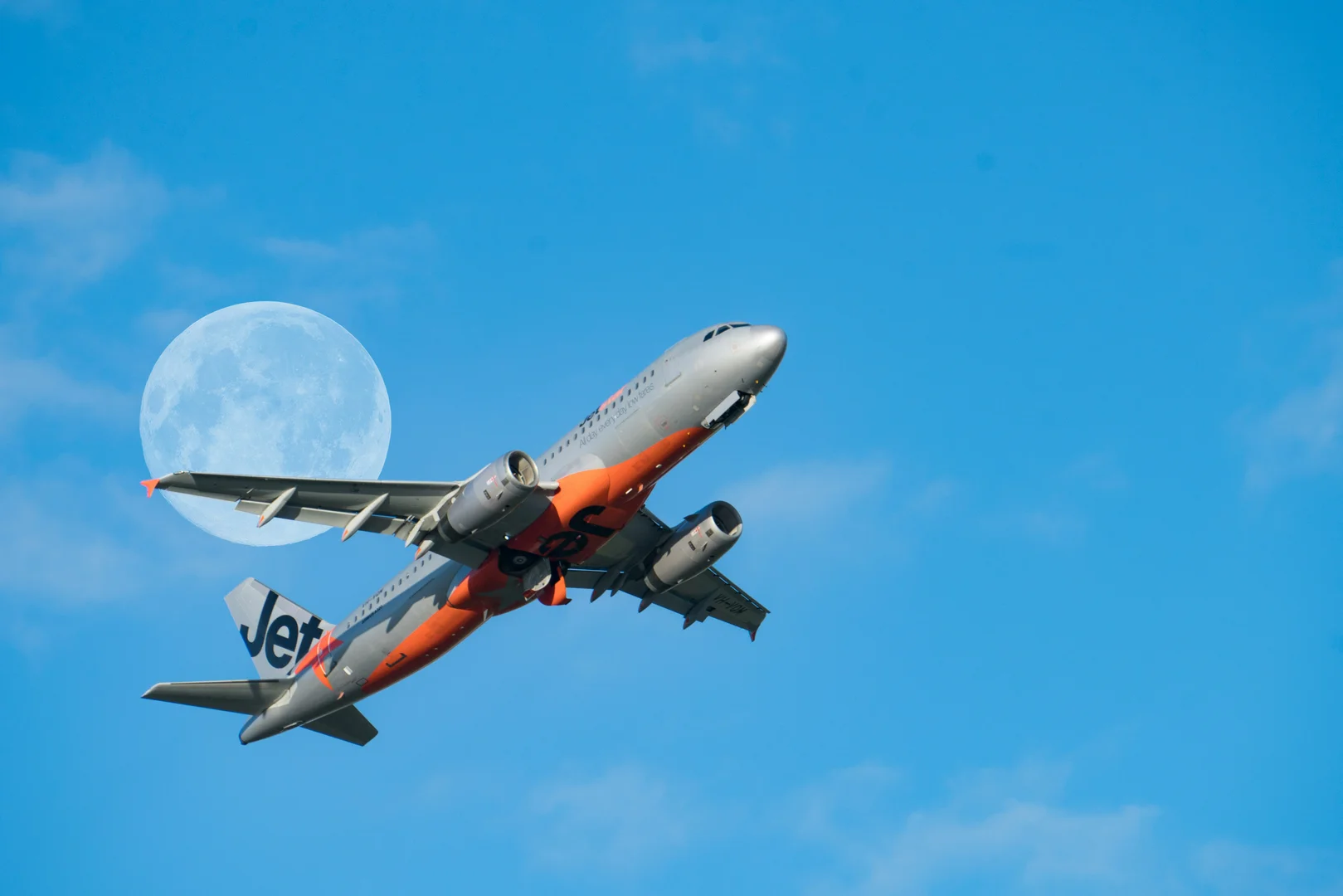
To bring it to life, here's what happens when a Jetstar A320 departs Sydney for Melbourne:
Tower Control issues taxi clearances, coordinates the ground movement to the runway, and clears the aircraft for takeoff.
Approach Control (Sydney TCU) accepts the aircraft climbing through the terminal area, vectors it onto its departure route, and hands it off to en route.
En Route Control (Melbourne ACC) manages the aircraft in cruise across Bass Strait, then hands it back to approach control as it begins descent.
Approach Control (Melbourne TCU) sequences the aircraft into the arrival stream and hands it to the tower for landing.
Tower Control lands the aircraft and directs it to the gate.
Five separate controller positions. One flight. Seamless coordination.
ATC Ratings and Endorsements in Australia
In Australia, ATC licences are issued by CASA (Civil Aviation Safety Authority) and include specific ratings for each discipline:
Aerodrome Control Rating — Required for tower controllers
Approach Control Radar Rating — Required for terminal/approach controllers
Area Control Radar Rating — Required for en route controllers
Controllers typically qualify in one discipline first, then may cross-train into others over their career. Many experienced controllers hold multiple ratings.
What Does It Take to Become an ATC in Australia?
All Australian ATC trainees enter through Airservices Australia's recruitment program. The process is rigorous — and for good reason. Selection involves:
Online application and eligibility screening
Aptitude testing — Cognitive, spatial, and multitasking assessments designed to predict training success
Psychological assessment — Personality and stress management evaluation
Medical examination — CASA Class 3 medical minimum (Class 1 preferred)
Structured interview
Successful candidates enter the Airservices Aviation Academy in Canberra for initial training, which includes both classroom-based ground school and extensive simulator sessions. Training duration varies by discipline but typically runs 12–18 months before operational deployment.
No prior aviation experience is required to apply — Airservices Australia trains candidates from scratch. What they're looking for is the aptitude: the ability to maintain composure under pressure, process complex information quickly, communicate precisely, and think spatially.
ATC Salaries by Role
Curious about the earning potential? ATC is one of Australia's highest-paid professions. For a detailed breakdown, see our full Air Traffic Controller Salary Guide for Australia, but here's a quick overview:
Stage | Salary Range |
|---|---|
Trainee (during training) | $49,750 – $55,000 |
Newly qualified controller | $132,000 – $150,000 |
Experienced controller | $150,000 – $246,000 |
Senior / specialist controller | Up to $372,000 |
En route and approach controllers — particularly those with oceanic endorsements or working in high-traffic facilities — tend to sit at the higher end of these ranges. Melbourne ACC controllers average around $230,000 annually. The role also comes with shift loadings, comprehensive fatigue management entitlements, and strong superannuation contributions.
For broader context on what different aviation roles pay, check out our Aviation Jobs Salary Guide 2026.
Which ATC Role Is Right for You?
Each discipline suits a slightly different personality and skill profile:
Tower Control might suit you if you:
Thrive in a fast-paced, high-sensory environment
Have strong situational awareness and visual attention to detail
Enjoy direct, real-time problem solving
Like working in a team where decisions are visible and immediate
Approach Control might suit you if you:
Excel at spatial reasoning and three-dimensional thinking
Can manage multiple competing priorities simultaneously
Perform well under sustained pressure in a radar environment
Are methodical but adaptable when the situation changes quickly
En Route Control might suit you if you:
Prefer a more structured, strategic working environment
Have strong long-range planning ability
Are comfortable with procedural complexity and oceanic operations
Want to eventually work international routes and large-scale traffic flows
It's worth noting that many controllers rotate across roles over a long career, particularly as they gain experience and additional ratings. The pathway isn't fixed.
Is an ATC Career Right for You?
Air traffic control is not for everyone — the selection process exists precisely because the cognitive and temperamental demands are very specific. But for those who are a natural fit, it offers one of the most intellectually stimulating, genuinely purposeful, and financially rewarding careers in Australian aviation.
If you're weighing it up against other aviation paths, our How to Start a Career in Aviation in Australia guide covers the broader landscape, including piloting, engineering, and ground operations.
Ready to Explore ATC Opportunities?
ATC roles with Airservices Australia don't come up constantly — when recruitment opens, competition is strong. Keep an eye on Airservices Australia's careers page and check our aviation jobs board for the latest openings across all ATC disciplines and aviation support roles in Australia.
Explore More Aviation Career Resources
Air Traffic Controller Salary in Australia: What You'll Earn at Every Level (2026)
Aviation Jobs Salary Guide 2026: What You Can Earn in Australian Aviation
Sources & Additional Reading: