
Updated by
Duke is the founder of Aviation Careers. He's Primarily an Airline Pilot in Australia with experience in Charter and Aeromedical operations. He is passionate about improving accessibility for younger generations in aviation and increasing safety throughout the industry.
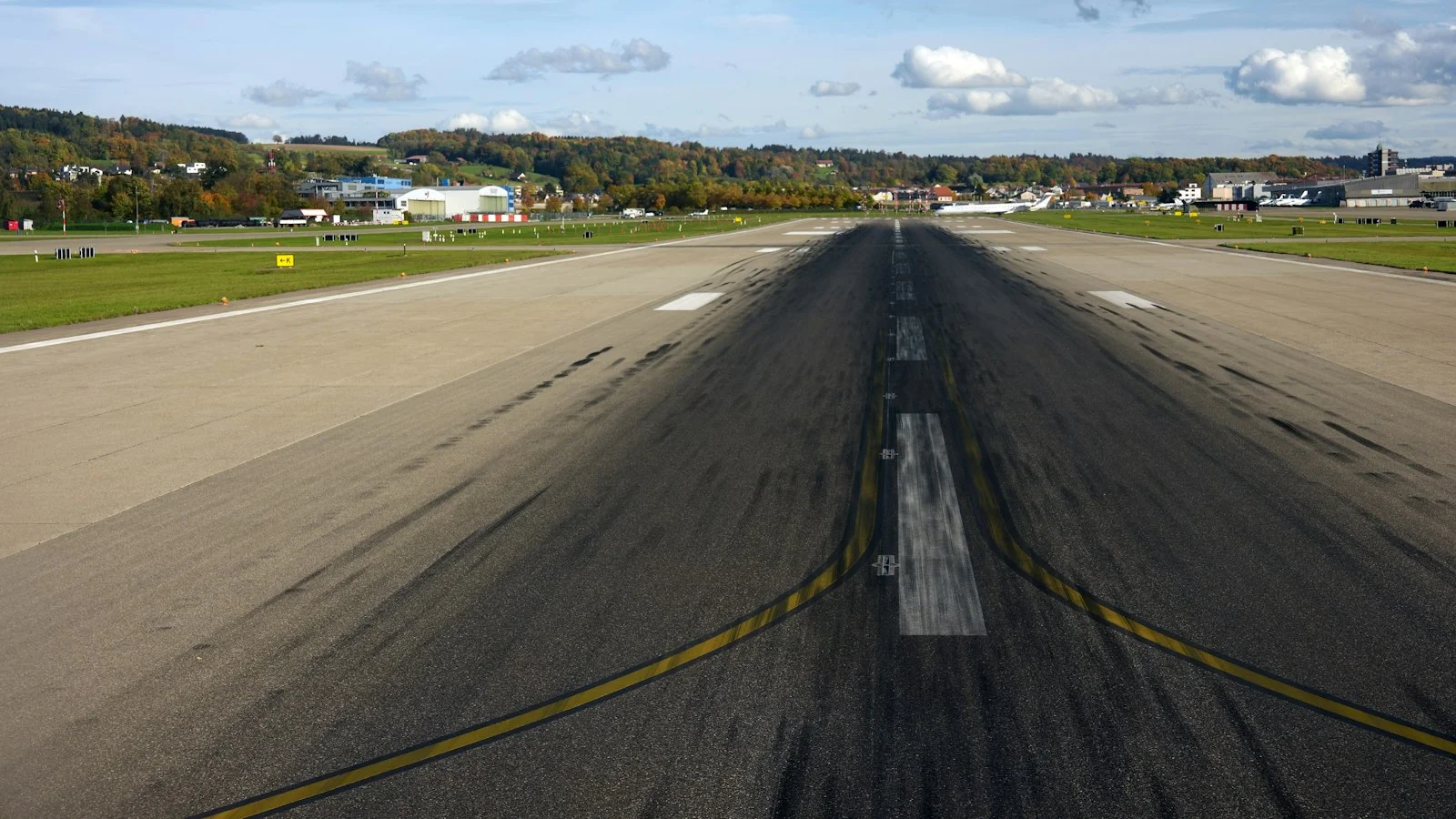
At an aerodrome with scheduled passenger services, checks of the runway, lights and wildlife hazards help keep the aerodrome safe for the first scheduled passenger movement. At most certified Australian aerodromes, that's the Aerodrome Reporting Officer, or ARO.
ARO and airport operations roles are practical, outdoor and genuinely important, and they're a great entry point into airport management. Regional airports, councils and specialist contractors hire regularly, but they want people who understand safety and can be trusted to work on their own. This guide explains what the job involves, who hires, which qualifications matter, and how to write a resume that proves you're the right person to look after an airfield.
What an ARO Actually Does
Under CASR Part 139 and the Part 139 Manual of Standards (MOS), the operator of a certified aerodrome must have reporting officers who monitor the condition of the aerodrome and report anything that affects aircraft safety. In practice, that covers a wide range of work:
- Serviceability inspections: driving the runways, taxiways and aprons, checking pavement, markings, signs, lighting and navigation aids, according to the aerodrome’s operating schedule and the Part 139 Manual of Standards. Certified aerodromes are subject to at least two inspections per week, with extra requirements on days with scheduled air transport movements and after events such as severe storms.
- Reporting changes: raising and cancelling NOTAMs when part of the aerodrome is unserviceable or something has changed, and keeping accurate records in the aerodrome log.
- Wildlife hazard management: monitoring and dispersing birds and animals, which at some airports involves pyrotechnics or firearms.
- Obstacle monitoring: watching for cranes, trees and structures that could penetrate the obstacle limitation surfaces.
- Works safety: acting as, or working with, the Works Safety Officer to keep airside works safe and clear of operating areas.
- Emergencies: responding to aircraft incidents and supporting the Aerodrome Emergency Plan.
- Security and access: boundary patrols, checking fences and gates, and enforcing airside access rules.
At smaller airports, the ARO might also mow, sweep, help with refuelling, meet passengers or look after the terminal. At larger airports, the role is often called Airside Operations Officer or Airport Operations Officer and sits within a bigger team.
Who Hires AROs
You'll find ARO and airport operations roles with:
- Airport companies running capital-city and major regional airports.
- Local councils, which own and operate many regional airports. Roles are often advertised on council websites rather than aviation job boards.
- Specialist contractors that provide ARO, wildlife and compliance services to smaller aerodromes, sometimes in remote areas.
- Mining and resource companies with their own aerodromes for FIFO flights.
- Defence and joint-user airports, where civil operations share the airfield.
Many of the best opportunities are regional. If you're open to moving to a mining town, a coastal tourism hub or an outback community, you'll have far more options and often a faster route to responsibility.
Qualifications Explained
The MOS requires reporting officers to be suitably trained and competent, rather than holding one specific accredited certificate. In practice, employers look for some combination of:
- ARO training: a course covering the physical characteristics of the movement area, markings, lighting, obstacle limitation surfaces, inspections, wildlife and reporting, usually with a practical component at an aerodrome.
- Works Safety Officer (WSO) training: often done together with ARO training.
- Certificate III in Aviation (Aerodrome Operations): a nationally recognised qualification aligned to roles such as ARO, WSO and airside operations officer.
- Aeronautical radio qualification: to communicate with aircraft on the radio.
- ASIC and airside driving authority: essential for working airside.
- Driver licence: often manual, sometimes MR or higher for larger vehicles and plant.
- First aid, and a firearms licence where wildlife control involves firearms.
Many airports will train the right person, so if you don't hold these yet, say clearly that you're willing to complete them.
A Day on the Airfield
At a typical regional airport, the day starts before first light with a serviceability inspection: runway lights, windsocks, the runway surface and a lap of the boundary fence. A mob of kangaroos near the threshold means a dispersal run before the first arrival. Mid-morning, contractors arrive to repair a section of taxiway, so the ARO checks the works plan, briefs the crew and closes the area with markers and a NOTAM. After lunch there's a fuel delivery to supervise and a call from a charter operator about runway conditions after overnight rain. The afternoon finishes with another inspection, updates to the log and handover to the on-call officer. No two days are the same, which is a big part of the appeal.
What Airports Look For
- Qualifications: ARO and WSO training, and an aeronautical radio qualification.
- Clearances and licences: ASIC, airside driving, driver licence class, first aid.
- Regulatory knowledge: CASR Part 139 and the MOS, the aerodrome manual, SMS and wildlife hazard management.
- Practical skills: inspections, record keeping, radio communication and working outdoors in all conditions.
- Judgement: knowing when to close a runway, raise a NOTAM or call for help, often with nobody else around.
- Availability: many roles involve a 7-day roster and on-call.
Wildlife Hazard Management in Practice
Wildlife is one of the biggest day-to-day safety risks at Australian aerodromes, and it's a part of the job that applicants often underestimate. Birds, kangaroos, wallabies, foxes and even livestock can find their way onto an airfield, and a strike can damage an aircraft or worse. AROs carry out regular wildlife counts, record sightings and strikes, and use dispersal methods ranging from vehicle patrols and sirens to pyrotechnics and, at some airports, firearms. They also help identify what is attracting animals, such as long grass, standing water or nearby rubbish, so the airport can fix the cause. If you have experience with animals, land management, pest control or firearms, put it on your resume. It's directly relevant.
Pay, Rosters and On-Call
Pay depends on the size of the airport and the employer, and council roles are usually set by the council's enterprise agreement and classification levels. Regional contractor roles are sometimes advertised as part-time hourly positions. Rosters typically follow the flight schedule across seven days, and many smaller airports have an on-call component for after-hours flights, aeromedical services and emergencies. Read the position description for the on-call expectations and allowances, and be upfront about your availability. Our aviation jobs salary guide has more on pay across aviation roles.
Living and Working Regionally
Regional airports are where many airport operations careers start. The trade-off is moving somewhere smaller, sometimes remote, and the benefit is responsibility much earlier than you'd get at a capital-city airport. At a small regional aerodrome you might deal directly with the airlines, the RFDS, charter operators, the council and CASA within your first year. Some councils offer relocation support or housing assistance in hard-to-fill locations. If you're genuinely open to the move, say so in your application and explain why. Recruiters worry about people who leave after six months.
Section by Section
Professional Summary
"Qualified Aerodrome Reporting Officer and Works Safety Officer with four years' experience at a regional airport, keeping the aerodrome safe and serviceable under CASR Part 139. Experienced in runway inspections, wildlife hazard management, NOTAM reporting and airside works safety."
Qualifications and Licences
Put these at the top: ARO and WSO training, Certificate III in Aviation (Aerodrome Operations) if held, radio qualification, ASIC, airside driving authority, licence class, first aid, and any firearms licence or refueller certification if the role involves wildlife control or fuel.
Experience Bullet Points
- Conduct daily serviceability inspections of runways, taxiways, aprons, lighting and navigation aids, recording findings in the aerodrome log.
- Raise and cancel NOTAMs and report changes in aerodrome condition.
- Implement the Wildlife Hazard Management Plan, including monitoring, reporting and dispersal.
- Act as Works Safety Officer for airside works, controlling access and keeping works clear of operating areas.
- Monitor obstacle limitation surfaces and report new obstacles such as cranes.
- Respond to aircraft emergencies and incidents in line with the Aerodrome Emergency Plan.
- Conduct boundary and security patrols, and report and investigate airside safety breaches.
Add numbers where you can: aircraft movements per day, the size of the aerodrome, the number of works projects supervised, or a reduction in wildlife strikes.
Applying as a Trainee
Many councils and airports will train the right person. If you don't hold ARO qualifications yet, show the transferable skills:
- Outdoor and practical work: grounds maintenance, farming, trades, logistics, ground handling, rangers and parks.
- Operating mowers, tractors and small plant safely, with pre-start checks.
- Following procedures and reporting hazards.
- Accurate written records and comfortable using basic software.
- Firearms experience and a licence, if relevant to the airport's wildlife program.
- Willingness to complete ARO, WSO and radio training.
Pilots, especially those building hours in regional areas, also make strong ARO candidates because they understand the airfield from the flight deck.
Interview Scenarios to Prepare For
Airport operations interviews often include practical scenarios. Think through how you'd answer questions like:
- "During an inspection you find debris on the runway and an aircraft is due in ten minutes. What do you do?"
- "A contractor's crane has appeared near the approach path. How do you handle it?"
- "You see a flock of birds on the runway as an aircraft is lining up. What's your priority?"
- "A works crew wants to keep working past their approved time. How do you respond?"
Panels want to hear safety first, clear communication with pilots and air traffic services, accurate reporting, and knowing when to escalate.
Moving Into Airport Management
For senior roles, emphasise leadership and compliance: managing teams of AROs, terminal and security officers; maintaining the aerodrome manual, emergency plan and transport security program; leading regulator audits; and planning airside works and capital projects. Experience dealing with council, airlines, the regulator and the community counts for a lot at regional airports.
Cover Letter Tips
For council roles, read the position description carefully and address the selection criteria directly. Many councils assess applications against them line by line. Name the airport, show you understand the local operation, such as the airlines, charter and RFDS traffic, and explain why you want to live and work there. Our aviation cover letter guide has the structure.
Keywords to Include
Aerodrome Reporting Officer, Works Safety Officer, airside operations, CASR Part 139, Manual of Standards, serviceability inspection, NOTAM, wildlife hazard management, obstacle limitation surfaces, aerodrome emergency plan, airside driving, ASIC, safety management system.
Mistakes to Avoid
- Treating it like a general labouring job. Mowing and patrols are part of it, but the core of the role is safety judgement and accurate reporting. Make sure your resume shows both.
- Vague qualification status. State exactly which training you hold, when you completed it and which aerodrome you were trained at.
- Ignoring the selection criteria. Council applications that don't address the criteria often don't make it past the first cut.
- Skipping the local context. Show you know what flies in and out of the airport and why the role matters there.
Prefer to start from a template? Our airport operations resume templates include versions for qualified AROs, trainees and airport operations managers.
Frequently Asked Questions
How do I become an Aerodrome Reporting Officer?
Complete ARO training with a reputable provider, get a radio qualification, and make sure you're eligible for an ASIC. The rules require AROs to be suitably trained rather than to hold one specific accredited certificate, and many regional airports will support trainees through the process.
Do I need aviation experience?
Not always. Practical, outdoor and safety-focused backgrounds are valued, especially at regional airports.
Is ARO work full-time?
At larger airports, usually yes. At smaller regional airports, ARO duties are sometimes part-time or combined with other council or airport roles.
Where can I learn more about the role?
CASA publishes an Aerodrome Reporting Officer guide that explains the responsibilities and training expectations. It's worth reading before an interview.
Ready to Apply?
Browse airport operations jobs on Aviation Careers. Regional roles in particular come up throughout the year, and it's worth checking council websites too. For a ready-made structure, see our airport operations resume and cover letter templates.
Further Reading
→ How to Get an ASIC Card in Australia
→ Aviation Safety and Compliance Resume Guide
→ Graduate Programs in Aviation
→ Aviation Jobs Salary Guide 2026
→ How to Write an Aviation Cover Letter That Actually Gets Read
Last updated: November 2026
Related posts

How aviation employers may use applicant tracking systems, and how to make your resume easier for both software and recruiters to read.

How to write an aviation safety and compliance resume in Australia, including moving across from pilot, engineering or cabin crew roles.
How to write a resume and cover letter for Aviation Rescue Fire Fighting recruit intakes, transfers and Station Officer roles in Australia.