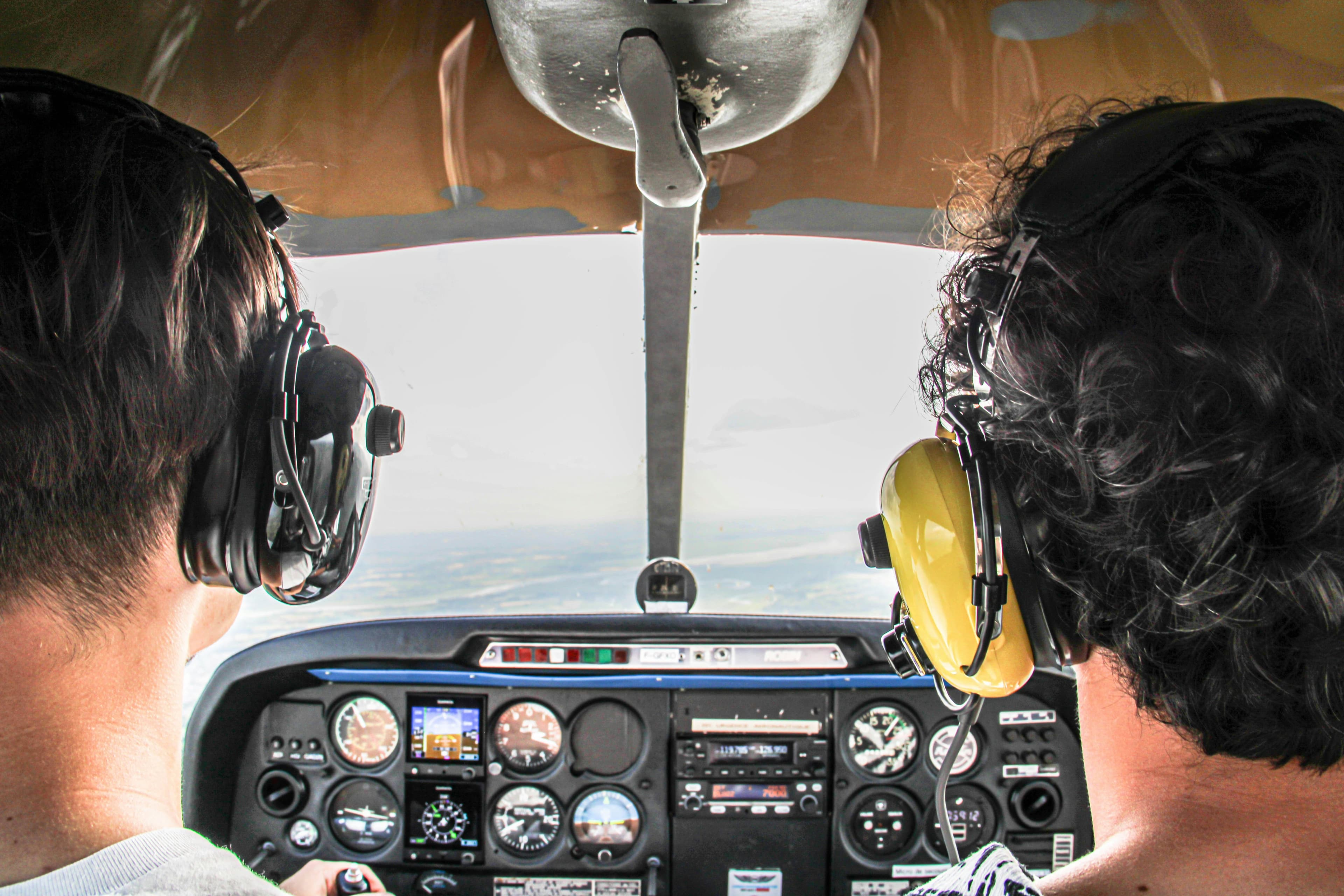
How to Become Cabin Crew in Australia: Requirements & Application Tips
Landing a cabin crew job in Australia can be the start of an exciting career filled with travel, diverse experiences, and the opportunity to meet people from around the world. Whether you're searching for flight attendant positions in Australia or exploring cabin crew jobs with major airlines, this comprehensive guide covers everything you need to know about requirements, the application process, training, and what roster life really looks like.
Understanding the Cabin Crew Role
Flight attendants, also known as cabin crew, are responsible for passenger safety and comfort during flights. While the glamorous travel benefits are appealing, the role demands excellent customer service skills, quick thinking in emergencies, and the ability to work irregular hours. Cabin crew members are first and foremost safety professionals who create a welcoming environment for passengers while being prepared to handle any situation that arises at 35,000 feet.
If you're considering other aviation career paths, check out our guide on becoming a pilot in Australia or explore ground crew opportunities to find the right fit for you.
General Requirements for Cabin Crew in Australia
While specific requirements vary by airline, most Australian carriers look for candidates who meet these baseline criteria:
Physical Requirements:
Minimum age of 18 years (some airlines prefer 21+)
Height requirement typically between 163cm to 185cm (to reach overhead compartments safely)
Healthy BMI and good physical fitness
Ability to swim 50 meters unaided
Good vision (correctable with glasses or contact lenses)
No visible tattoos while in uniform
Professional appearance with neat grooming standards
Legal Requirements:
Australian citizenship, permanent residency, or valid working rights
Valid Australian passport with at least 12 months validity
Clean criminal record (requires police check)
Right to work in Australia without restrictions
Personal Attributes:
Excellent communication and interpersonal skills
Strong customer service orientation
Ability to remain calm under pressure
Flexibility with irregular schedules
Team player with problem-solving abilities
Cultural awareness and sensitivity
Major Australian Airlines: Specific Requirements
Qantas Airways
As Australia's flagship carrier, Qantas sets high standards for cabin crew recruitment. View current Qantas cabin crew vacancies on Aviation Careers.
Requirements:
Minimum age 18 years
Australian or New Zealand citizen, or permanent Australian resident
Arm reach of at least 212cm on tiptoes
Senior First Aid certificate (or willingness to obtain)
Excellent swimming ability
Customer service experience preferred (minimum 1-2 years)
Application Process: Qantas typically recruits through specific intake campaigns. The process includes an online application, video interview, assessment day with group activities and individual interviews, and a final interview. The airline looks for candidates who demonstrate their values of safety, excellence, and being the spirit of Australia.
Training: Successful applicants complete approximately six weeks of intensive training at the Qantas Cabin Crew College in Sydney, covering safety procedures, emergency protocols, first aid, customer service, and aircraft-specific training.
Virgin Australia
Virgin Australia emphasises personality and customer service skills in their cabin crew selection. Search for Virgin Australia cabin crew positions currently available.
Requirements:
Minimum age 18 years
Australian or New Zealand citizenship or permanent residency
Minimum arm reach of 210cm
Customer-facing experience highly regarded
Flexible and available for shift work
Strong team orientation
Application Process: Virgin Australia's recruitment includes an online application with resume and cover letter, telephone or video screening, assessment center with group exercises and role-plays, and final panel interview. They look for candidates who embody their values of caring, fun, and togetherness.
Training: Selected candidates undergo approximately five weeks of training at Virgin Australia's training facility, covering safety, service standards, and practical simulations.
Jetstar Airways
As Qantas's low-cost subsidiary, Jetstar offers opportunities for both domestic and international flying. Find Jetstar cabin crew jobs on our job board.
Requirements:
Minimum age 18 years
Australian working rights
Minimum reach of 210cm on tiptoes
Current Senior First Aid certificate preferred
Ability to swim 50m unaided
Retail or hospitality experience beneficial
Application Process: Jetstar's process includes an online application, video interview submission, group assessment day with activities and interviews, and final interview round. The airline values candidates who are safety-focused, customer-oriented, and adaptable.
Training: Training lasts approximately four to five weeks and is conducted at Jetstar's training facility in Melbourne.
Regional Express (Rex)
Rex operates regional services, offering a different flying experience.
Requirements:
Minimum age 18 years
Australian citizenship or permanent residency
Appropriate height for aircraft type
Flexibility to relocate to regional bases
Strong interpersonal skills
Application Process: Rex's recruitment process is generally more streamlined than major carriers, with an online application, interview process that may include group and individual components, and medical assessment.
Training: Training duration varies based on aircraft type but typically runs three to four weeks.
The Application Process: Step-by-Step
1. Research and Preparation
Before applying, thoroughly research each airline's culture, routes, and values. Follow their social media accounts and read current employee reviews to understand what they're looking for. Ensure you meet all minimum requirements before investing time in the application.
2. Crafting Your Application
Resume Tips:
Highlight customer service experience prominently
Include any relevant certifications (first aid, hospitality qualifications)
Emphasize teamwork, flexibility, and problem-solving examples
Keep it to 2 pages maximum
Use professional formatting and check for errors
Cover Letter:
Tailor it specifically to each airline
Explain why you want to work for that particular carrier
Demonstrate knowledge of their values and culture
Highlight relevant experiences that align with cabin crew duties
Show enthusiasm and personality while remaining professional
Want help crafting the perfect aviation resume? Read our complete guide to writing aviation resumes that get you noticed by recruiters.
3. Video Interview
Many airlines now use video interviews as an initial screening tool. Tips for success include practicing common questions beforehand, ensuring good lighting and a clean background, dressing in business attire, speaking clearly and making "eye contact" with the camera, and showing your personality while remaining professional.
4. Assessment Day
Assessment days typically include group exercises, individual presentations, role-play scenarios, reach tests and physical assessments, and panel interviews.
Group Exercise Tips:
Be a team player, not a dominant leader
Listen actively to others and build on their ideas
Contribute meaningfully without talking over people
Show positivity and encourage quieter members
Demonstrate conflict resolution skills
Interview Tips:
Use the STAR method (Situation, Task, Action, Result) for behavioural questions
Prepare examples of handling difficult customers, working in teams, and dealing with emergencies
Research the airline thoroughly
Prepare questions to ask the interviewers
Be authentic and let your personality shine
5. Final Interview and Offers
If you progress to the final round, you're already a strong candidate. At this stage, airlines assess cultural fit and genuine passion for the role. Be yourself, show enthusiasm for aviation and customer service, and demonstrate you understand the demanding nature of the job.
Common Application Mistakes to Avoid
Many applicants inadvertently harm their chances by making these errors:
Applying without meeting basic requirements
Generic applications not tailored to the airline
Poor grooming or inappropriate attire at interviews
Overly rehearsed or insincere responses
Failing to research the company
Underestimating the physical demands of the role
Being inflexible about rosters, bases, or relocation
Negative comments about previous employers
Focusing only on travel benefits rather than the job itself
Cabin Crew Training: What to Expect
Once you receive an offer, you'll undergo comprehensive training before your first flight. This is intensive and demanding, with high standards to meet. For insights into what happens after you land the job, read our article on what to expect in your first year as cabin crew.
Training Components:
Safety and Emergency Procedures: Training covers evacuations on land and water, fire fighting procedures, dealing with decompression, handling unruly passengers, first aid and medical emergencies, security and hijacking protocols, and use of emergency equipment. You'll practice in aircraft simulators and underwater evacuation training facilities.
Service Training: This includes food and beverage service procedures, special meal requirements and allergies, duty-free sales (if applicable), passenger interaction and conflict resolution, and cultural awareness for international flights.
Aircraft-Specific Training: Each aircraft type has unique safety features and layouts. You'll learn door operations for each aircraft, location of emergency equipment, galley equipment operation, and passenger capacity and configuration.
Assessment: Expect written exams on safety procedures and regulations, practical demonstrations of emergency protocols, service assessments, and first aid certification tests. Training is pass/fail with little room for error on safety components.
Life on the Roster: What to Really Expect
The reality of cabin crew life differs significantly from the glossy social media posts. Understanding the lifestyle helps you prepare mentally and practically for the career.
Roster Patterns:
Most Australian airlines use monthly rosters published 2-4 weeks in advance. These include early starts (report times as early as 4:00 AM), late finishes (flights landing after midnight), split duties (work morning, break, then evening flight), standby duties (be ready to work on short notice), and varied days off throughout the month.
Domestic Versus International Flying:
Domestic rosters typically involve multiple sectors in one day, return to base most nights, shorter layovers, and more frequent flying. International rosters feature longer flights with better rest periods, extended layovers in foreign destinations, dealing with jetlag, and fewer total days worked per month.
The Challenges:
Fatigue Management: Irregular sleep patterns, time zone changes, and early starts take their toll. Successful cabin crew develop strong sleep hygiene practices and learn to rest whenever possible.
Social Life: Missing weekends, holidays, and family events is common. Your social circle may shift toward colleagues who understand the lifestyle. Maintaining relationships requires effort and understanding partners.
Physical Demands: The job involves long hours on your feet, pushing heavy carts, lifting baggage, dry cabin air affecting skin and hydration, and exposure to illnesses from passengers. Many crew members develop back issues or varicose veins over time.
Difficult Passengers: You'll regularly deal with demanding customers, intoxicated passengers, nervous flyers, and occasionally abusive behavior. Patience and de-escalation skills are essential.
The Rewards:
Despite challenges, many cabin crew find the career incredibly rewarding:
Discounted travel benefits for you and family
Layovers in exciting destinations
Meeting diverse people from around the world
Strong camaraderie with crew members
No two days are the same
Developing valuable life skills
Competitive salary with allowances
Salary Expectations:
Starting salaries for cabin crew in Australia typically range from $45,000 to $55,000 annually for domestic carriers, increasing to $55,000 to $70,000+ for international flying with a major carrier. This includes base salary plus flight allowances, layover allowances, and per diems. Senior crew and pursers earn significantly more, with salaries reaching $80,000 to $100,000+.
Building Your Competitive Advantage
Given the competitive nature of cabin crew recruitment, consider these strategies to strengthen your application:
Gain Relevant Experience:
Work in customer-facing roles (hospitality, retail, tourism)
Volunteer for community organizations
Take on team leadership opportunities
Develop conflict resolution skills
Obtain Certifications:
Senior First Aid certificate
Responsible Service of Alcohol (RSA)
Food safety handling certificate
Customer service qualifications
Language skills (particularly Asian languages)
Improve Your Presentation:
Maintain professional grooming standards
Practice excellent posture and body language
Work on clear, articulate speech
Develop confident public speaking skills
Stay Informed:
Follow aviation news and industry trends
Understand current challenges facing airlines
Be aware of destinations and routes each airline flies
Follow airline social media accounts
Frequently Asked Questions
Can I have tattoos? Most Australian airlines prohibit visible tattoos while in uniform. Small tattoos that can be covered by the uniform are generally acceptable, but those on hands, neck, face, or lower arms are usually disqualifying.
Do I need a degree? No degree is required, though customer service experience and relevant certifications are important. Some candidates with degrees in hospitality, tourism, or languages may have an advantage.
How long does recruitment take? From application to job offer typically takes 2-6 months, depending on the airline and recruitment campaign. Training then adds another 4-6 weeks.
Can I choose my base? Generally, junior crew members are assigned bases depending on operational needs. Transfers to preferred bases become possible with seniority but may take years.
What if I fail training? Airlines invest significantly in training, so they want you to succeed. However, if you fail critical safety assessments, you may be released. Some airlines offer opportunities to repeat certain components.
Is the job secure? Aviation is cyclical and affected by economic conditions, fuel prices, and global events. Recent years have shown how vulnerable the industry can be, though it typically recovers. Building seniority provides more job security.
Taking Your First Steps
If you're serious about pursuing cabin crew jobs in Australia, start preparing now:
Ensure you meet all basic requirements
Gain relevant customer service experience
Obtain necessary certifications
Research airlines thoroughly and choose the best fit
Prepare your application materials carefully
Practice interview scenarios
Improve your physical fitness
Develop flexibility around lifestyle changes
Ready to find your dream cabin crew role? Browse flight attendant jobs across Australia on Aviation Careers, updated daily with opportunities from major airlines and regional carriers.
Final Thoughts
Becoming a flight attendant in Australia offers a unique career path that combines service, safety, and adventure. While the lifestyle demands sacrifice and the recruitment process is competitive, the rewards can be substantial for those suited to the role. Success requires more than just a desire to travel. You need genuine passion for customer service, commitment to safety, flexibility with irregular hours, physical and mental resilience, and strong interpersonal skills.
The Australian aviation industry offers diverse opportunities across major carriers like Qantas and Virgin Australia, budget airlines like Jetstar, regional operators like Rex, and seasonal opportunities with international carriers. Each provides different flying experiences, career progression paths, and lifestyle considerations.
If you're ready to embrace the challenges alongside the rewards, prepare thoroughly, present yourself professionally, and demonstrate genuine enthusiasm for the role. The skies await those who are truly prepared for the journey.
Ready to start your cabin crew career? Search all available cabin crew positions on Aviation Careers, Australia's leading aviation job board. Create a free profile to get alerts when new opportunities match your criteria, and access exclusive resources including interview tips, salary guides, and career advice.
Aviation Careers is Australia's premier job board dedicated to connecting aviation professionals with leading airlines, airports, and aviation companies. Whether you're starting your career or looking to advance, we have the resources and opportunities to help you soar.